


The term double-sided fabric printing for commercial projects refers to dye sublimation of the face side (right side), and the back side (wrong side) of a textile base cloth. In double-sided printing the base cloth is subjected to extremely high temperatures during sublimation twice over!
Textile base cloths
Not all textile base cloths are suitable for double-sided printing. Those with waterproof backing treatments such as Zircon or Crypton, lined blackout curtain fabric and extremely translucent fabrics cannot be printed on both sides. Our most popular base cloths for double-sided printing are:
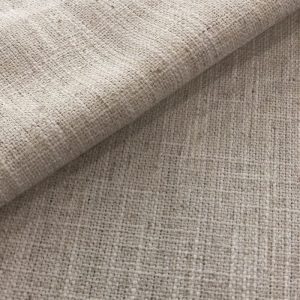


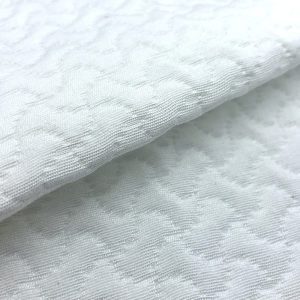

If you’re considering other base cloths, please contact us to discuss your project needs.
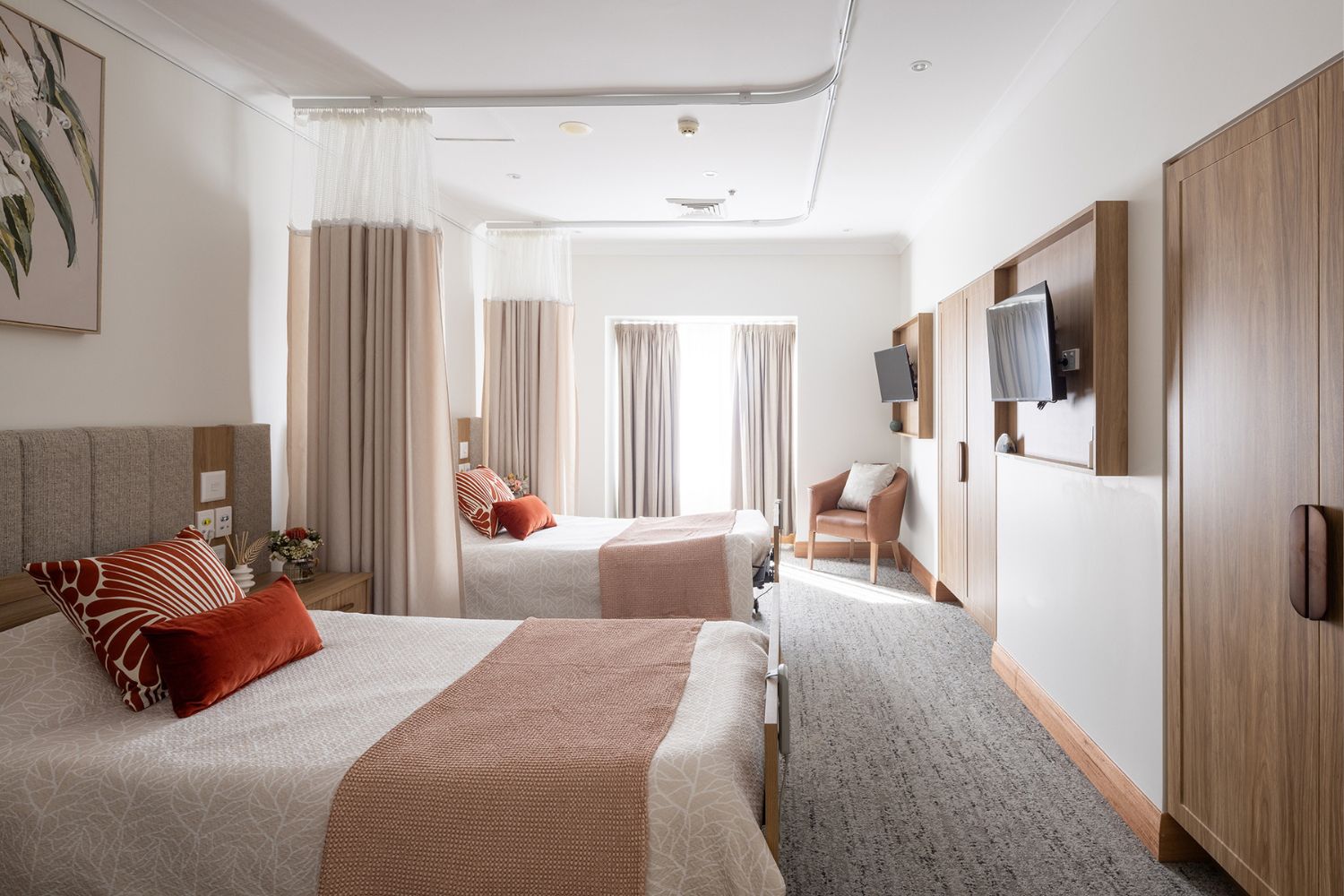
Photography © Sara Vita
Honey, I shrunk the prints
All fabrics are prone to shrinking during sublimation. On average 1-3cm shrinkage would generally be expected. However, up to 5cm of shrinkage may occur during the first round of sublimation in some fabrics. In double-sided printing, additional shrinkage may occur during the second side sublimation.
Pattern repeats
Due to this shrinkage factor, pattern repeats can only be considered a rough guide. They will never be exact. Additionally, it’s impossible to match the face side to the back side print.
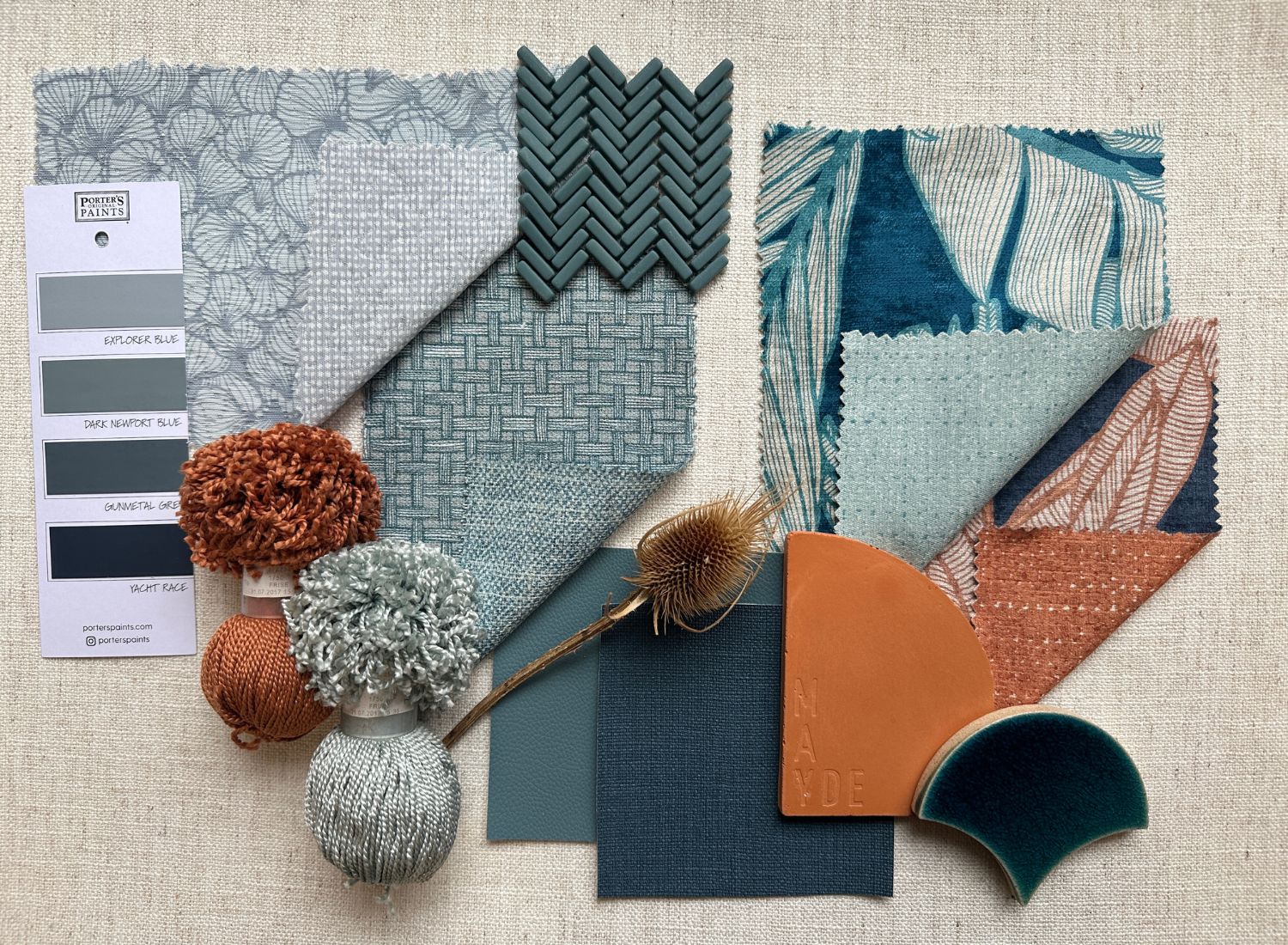
Featured prints (from left): MALLEE BUDS Sparkling and MILLA Ice printed on Peak; SEAGRASS RATTAN Drift and HOMESPUN Arctic printed on Bruge; EXOTIC PARADISE Amazon and QUIET Glacier printed on Palermo; RUBBERY LEAF Karat and QUIET Desert printed on Ritz. Paired with MEDKETEN Vitality and CARSON Azure faux leathers.

9 considerations for double-sided fabric printing
Double-sided printing needs special consideration every step of the way:
- Face side print direction – graphics, stripes.
- Back side print direction – graphic, plain, textured.
- The nature of base cloth – opaque or slightly translucent.
- Expected shrinkage – during first sublimation and possible additional shrinkage during second sublimation.
- Available roll sizes of the base cloth.
- The end use – for example drapery, room divider and top of bed.
- Direction of the print of the face side and the desired print direction of the back side print – mirror image, rotation of image.
- The direction the base cloth and paper will feed in during first and second sublimation stages.
- Possible shadowing of the face side print through to the back side, and vice versa.
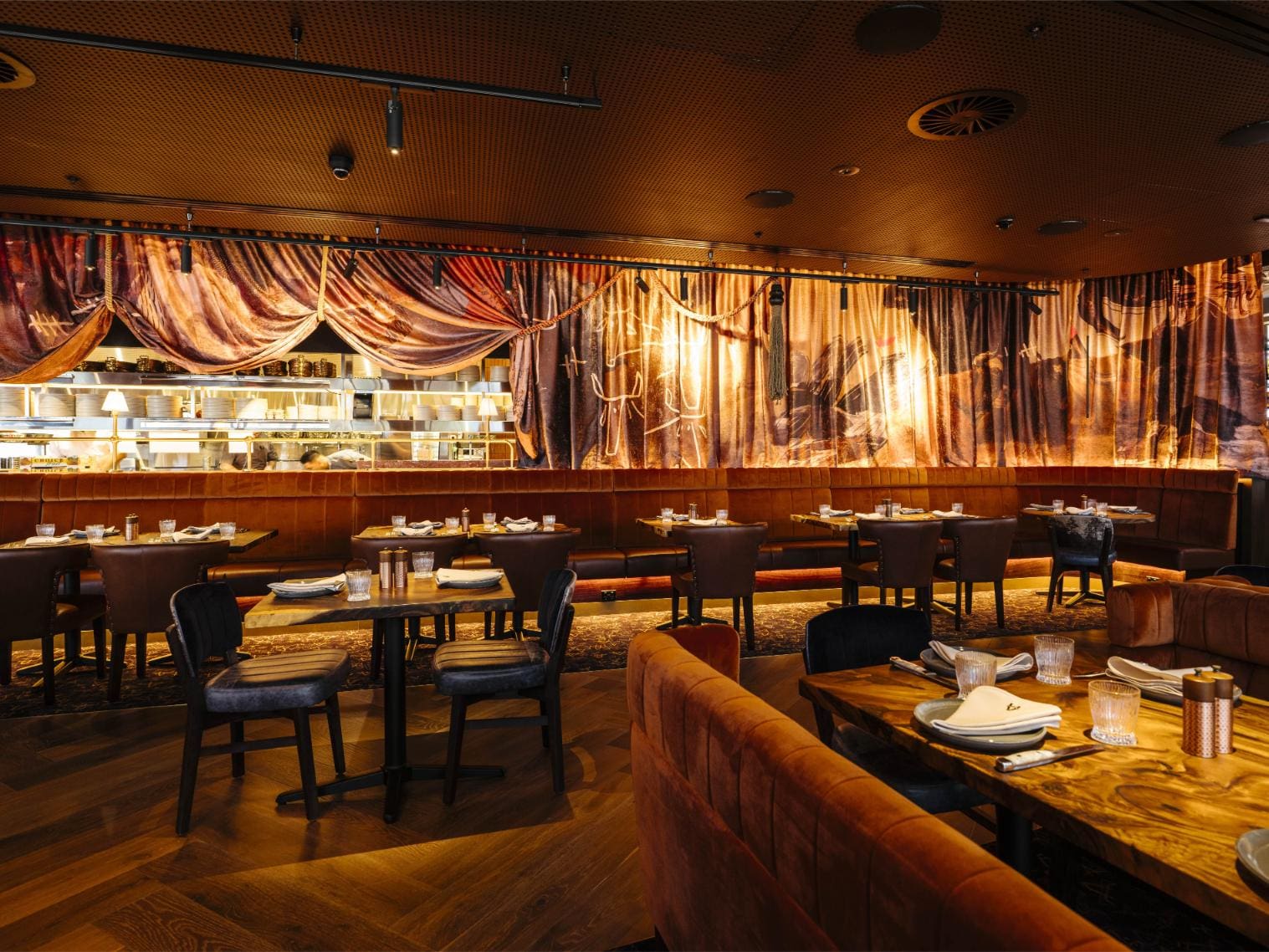
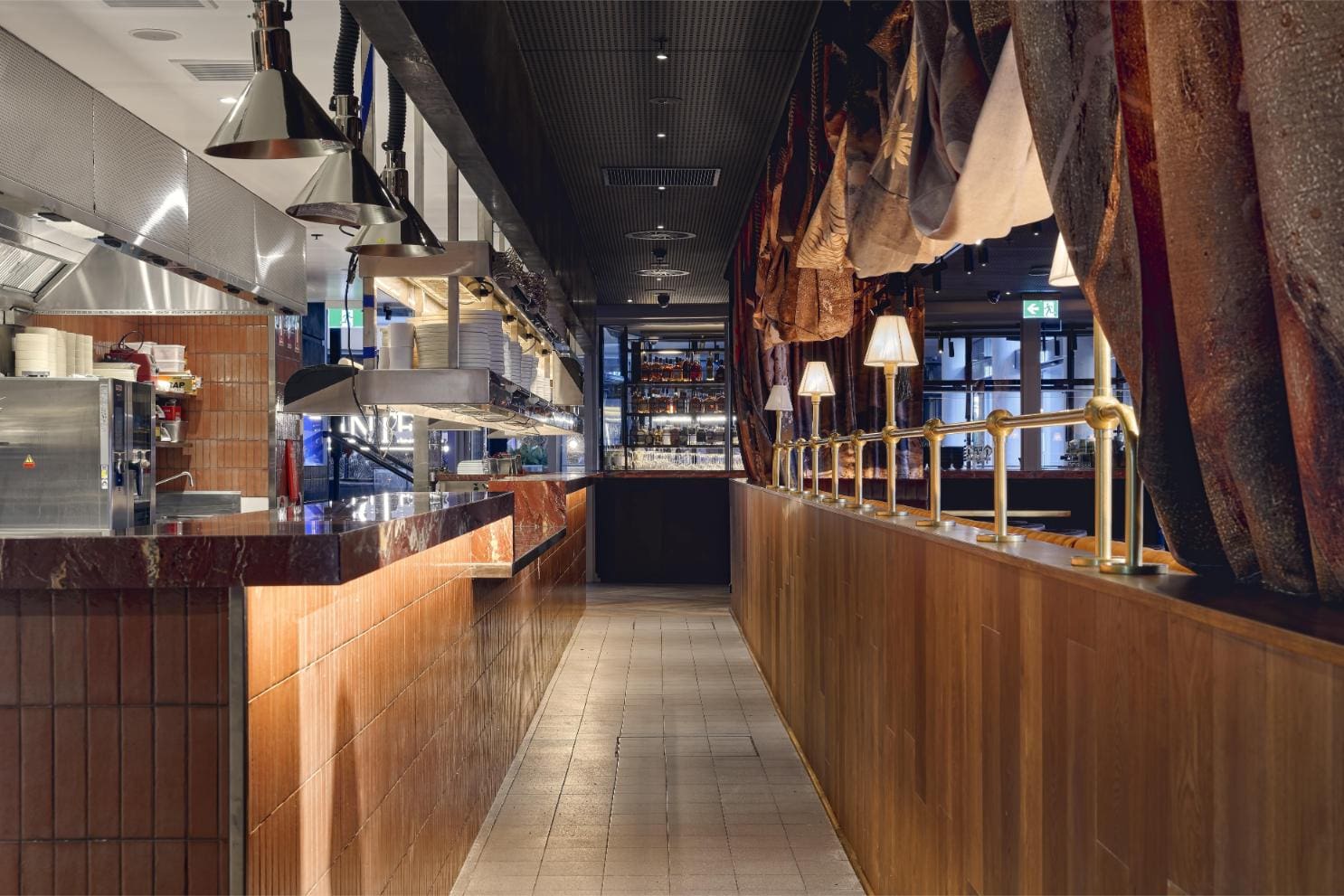
Our team is trained to look out for all these factors, ensuring the end product for your project is exactly as you’d expect it to be. For more insight into double-sided printing, take a look at our case study ‘Restaurant Interior, 6HEAD Perth.’
Get in touch with our team to discuss your project requirements.
About the Author: Kristine McIlveen

2 thoughts on Understanding Double-sided Fabric Printing
Leave a Reply
Related posts




comm. vinyl installer for 40+ years. I’m installing Flex Urbane Purlesque soon. I’m seeking as much installation info as possible. Any advice, tips, etc. greatly appreciated.
Thanks
Hello Dave, this link will provide the info that you need. If you need any assistance please contact our Customer Service team who can help further. Many thanks https://materialised.com.au/resources/installation/hard-knocks-type-iii-wall-covering-installation/