

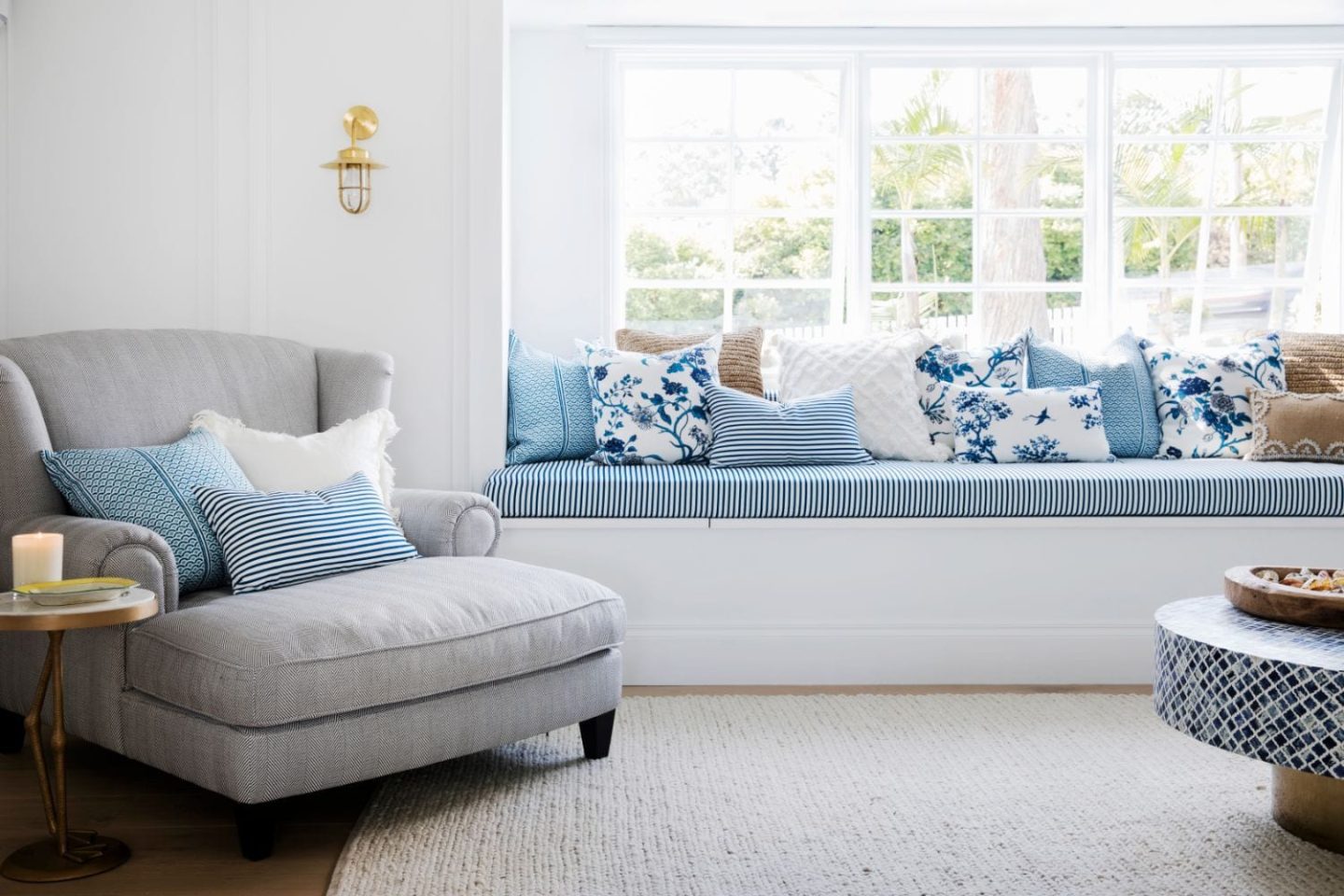
What does the term railroaded mean when it comes to suppling a design printed on a fabric base cloth? Here you’ll find an explanation of railroaded (or railroading) as well as when to choose wide width railroaded fabric.
So, what does railroaded mean exactly?
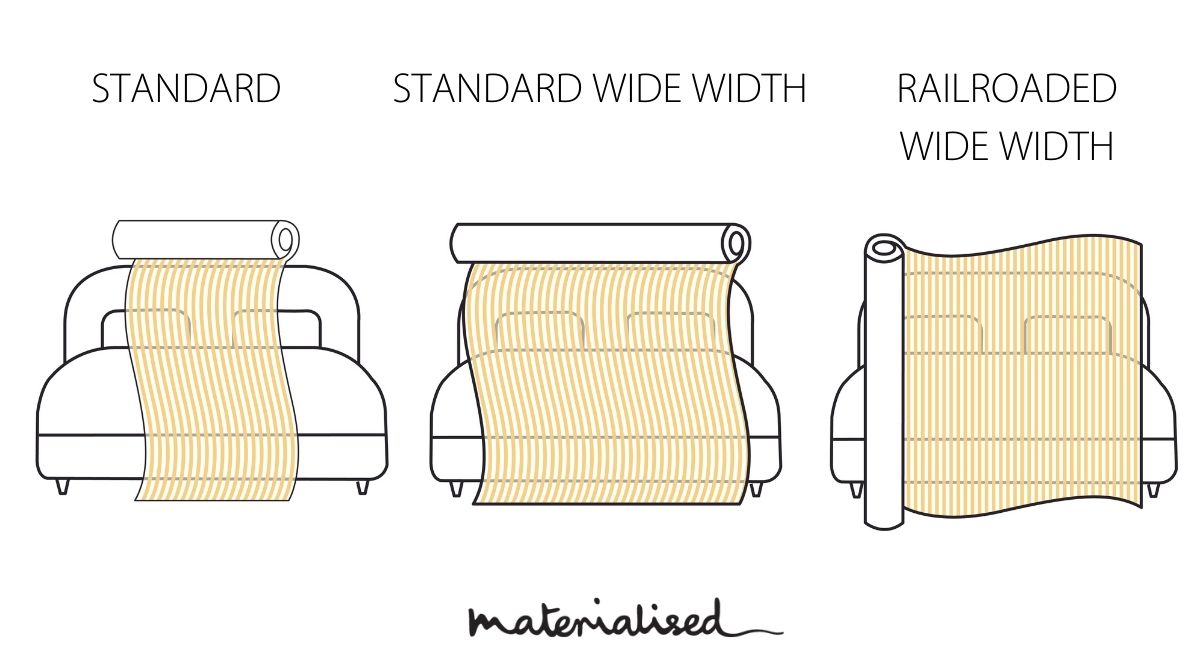
- STANDARD: Most directional patterns, be they woven or printed, run ‘up’ the roll.
- RAILROADED: A term that relates to the use of a fabric pattern running ‘sideways.’ This is also known as ‘continuous.’
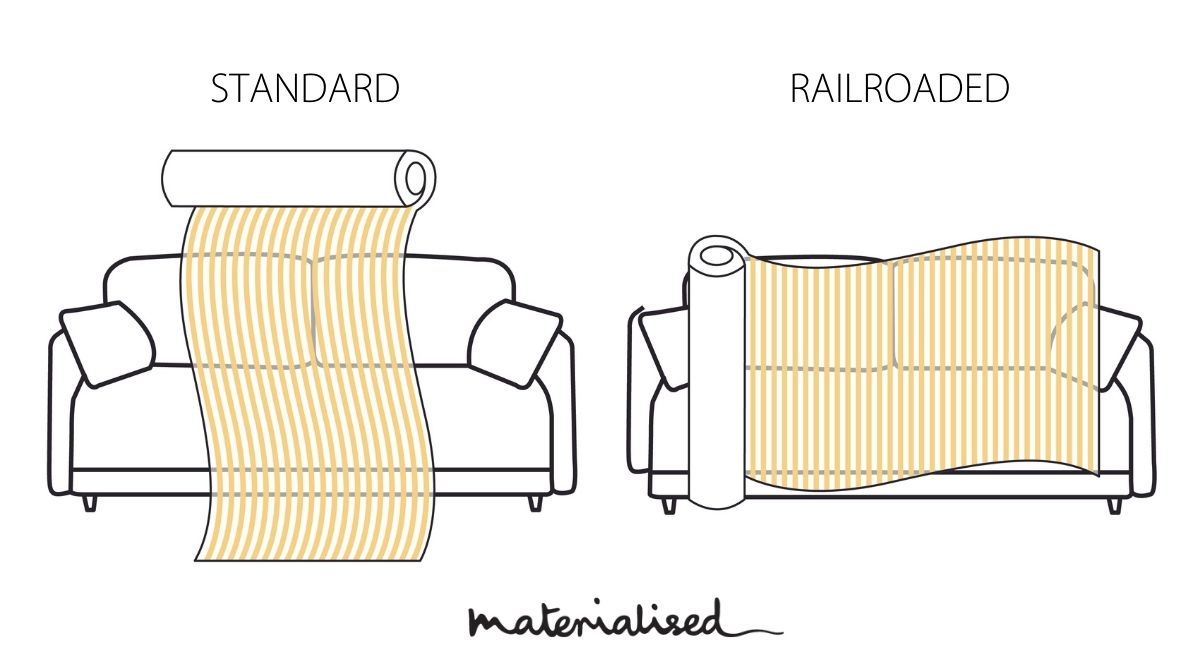
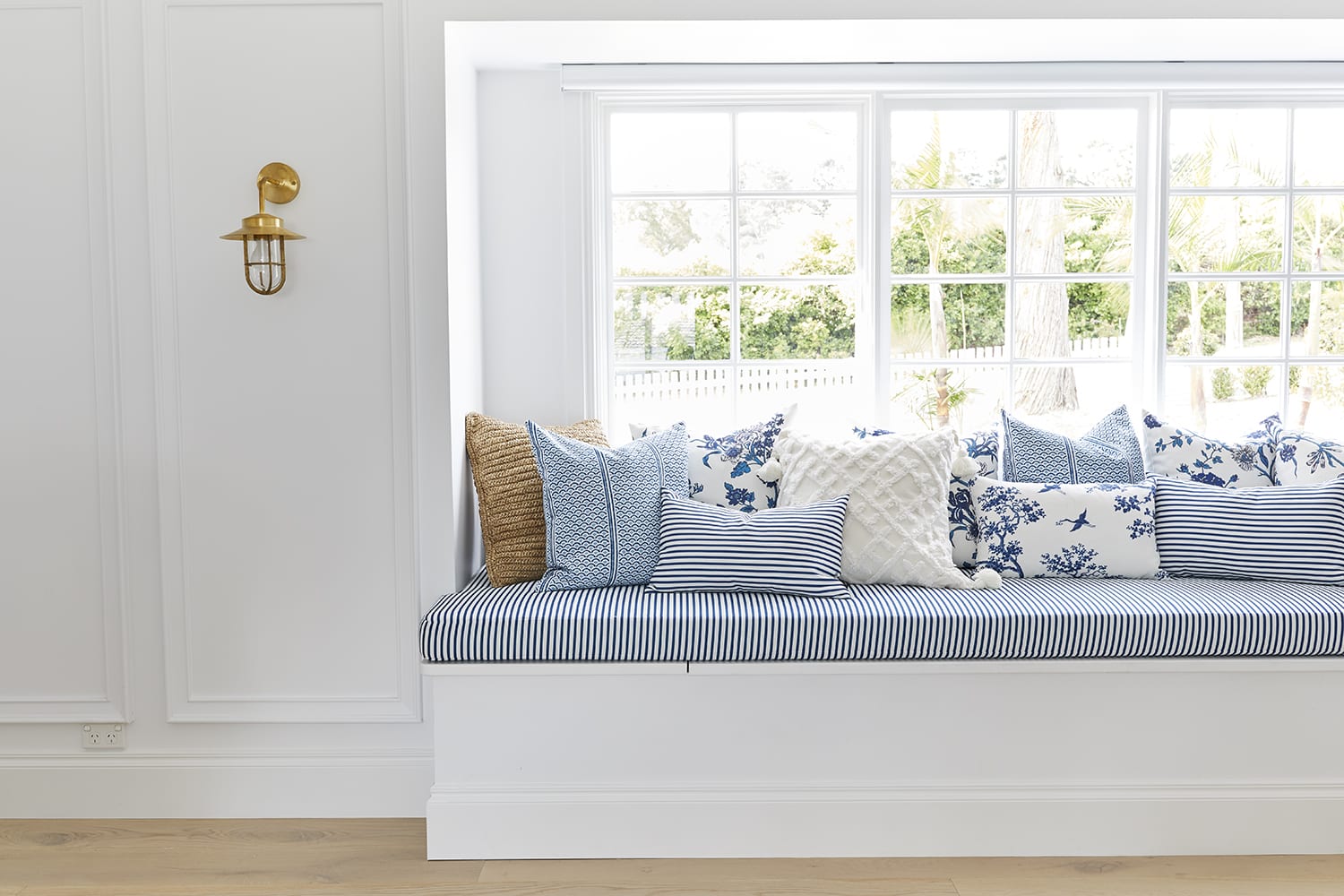
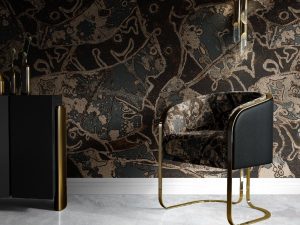
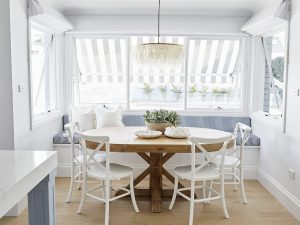
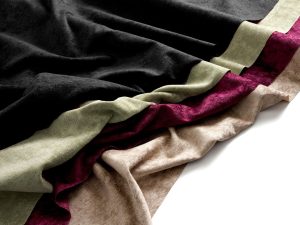
In the image above, if the print wasn’t railroaded, then there would be undesirable seams in the fabric. Also, the stripe would run horizontally along the length of the sofa, instead of vertically.
Imagine a picture of a vase that clearly needs to be seen as being vertical. Where the fabric gives a better yield by being applied sideways, the image will need to be adjusted and turned through 90 degrees. And that, is railroading.
Selvage / selvedge / self-edge
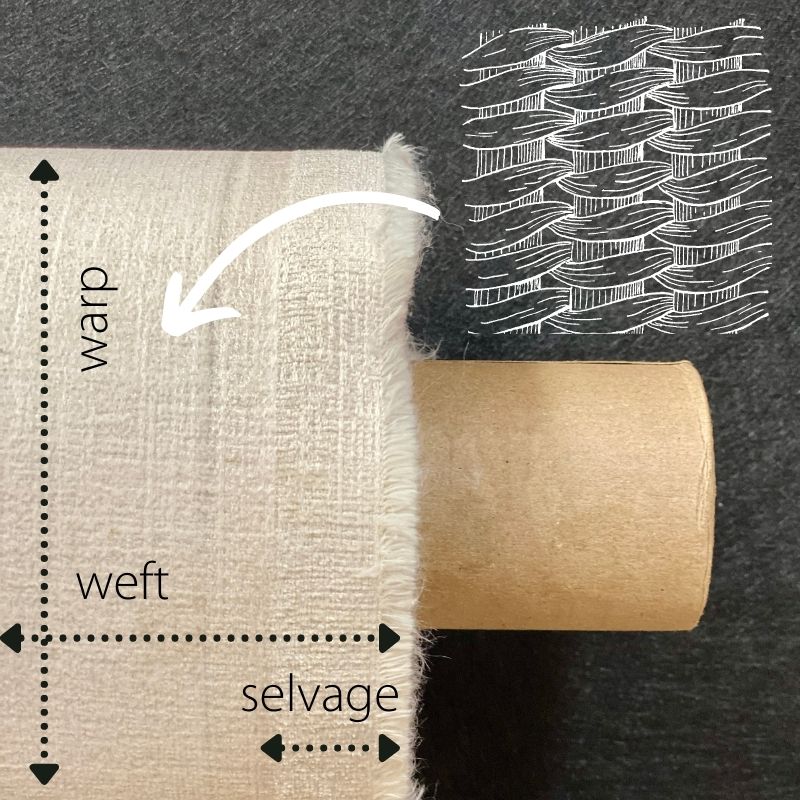
However you spell it, the term selvage means the tight edges of a fabric. These edges are usually woven tighter than the body of the cloth to avoid fraying. It makes possible the holding of the fabric during finishing processes.
In weaving terms, for standard fabric the warp yarn runs vertically and therefore the selvage runs parallel to the warp.
These edges are most often removed in the process of fabricating curtains or upholstery to ensure the different tensions don’t cause distortion.
Wide width printing and railroading
So, when does wide width printing come into play? And what is it?
For eons, fabrics have been woven 36, 48, 54 or 60 inches wide because they served particular purposes (54” or 140cm could cut two chair cushions.) Also, the weaving looms and finishing equipment were not readily available in wider widths.
That has all changed with new technology.
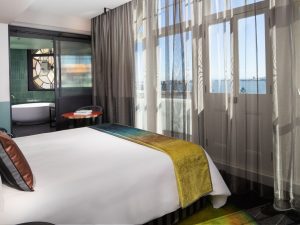
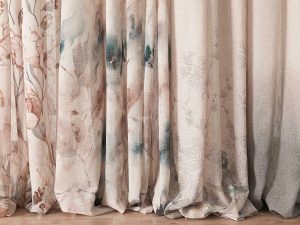
Wide width, sometimes called room-high fabric, offers seamless drapery and top-of-bed solutions. Materialised has arguably the most efficient and modern wide format (320cm) printing equipment in Australasia, including roller blind fabrics. You can find all of our wide width fabric here.
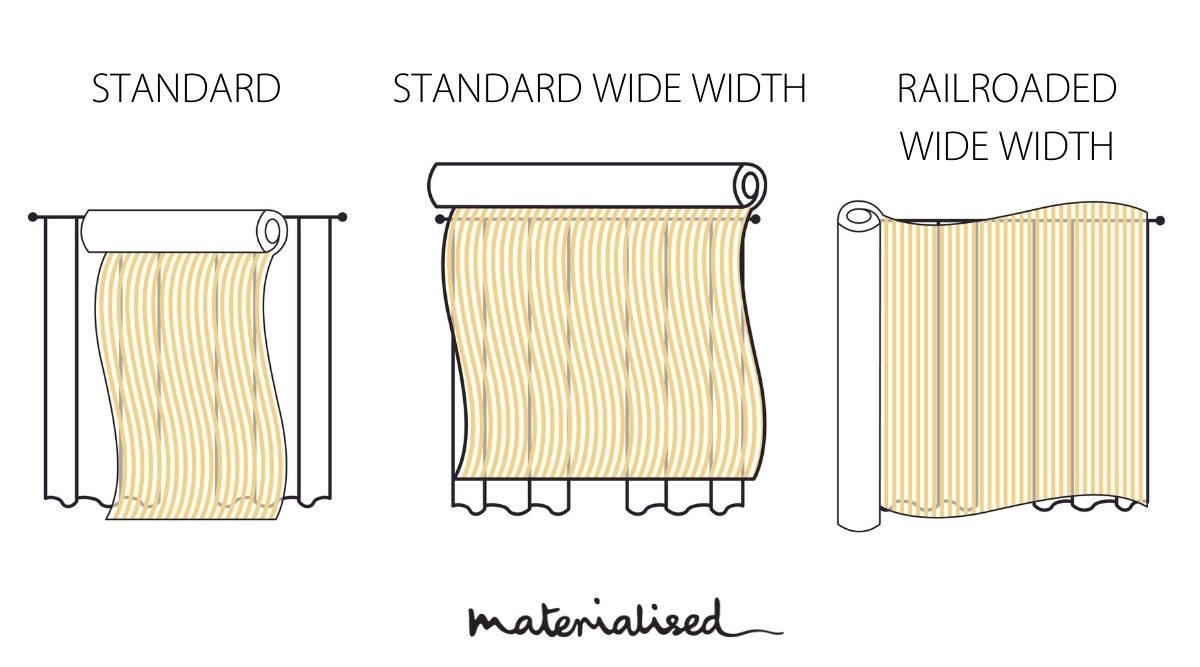
The need for railroading often arises where wide width drapery is intended to be used with the warp running horizontally, to reduce joins. Some patterns will logically need to be railroaded.
This is also often the case with top of bed applications.
Materialised expertise
Now you have a better understanding of what railroaded fabric is, you can use the above guide to help explain your design requirements.
Standard, railroaded, wide width… We have the capability for all at our commercial fabric printing facility in Blakehurst, NSW. Our expert team is always here to assist you with your commercial or professional residential interior design furnishing projects.
About the Author: Kristine McIlveen

4 thoughts on What Is ‘Railroaded’ and Wide Width Fabric?
Leave a Reply
Related posts











thank you, that was helpful and a good reminder!
Thanks Sharon, great to know it was useful
These are the best visual aids I’ve found on the internet to help describe these terms to my clients. Thanks, Catherine!
That’s fantastic to hear Alex, thank you for sharing! If there are any other topics you would like us to tackle, please let us know.