Designing for dementia is an important factor to take into consideration for successful aged care interior design projects.
You might be surprised to learn that there’s a whole design specialty built around improving quality of life for people living with dementia.
More than 800,000 people are expected to be living with dementia by 2050, most of them still at home and part of the community. There is therefore a growing need for designers to include ‘designing for dementia’ principles in their thinking for everyday spaces, both residential and public.
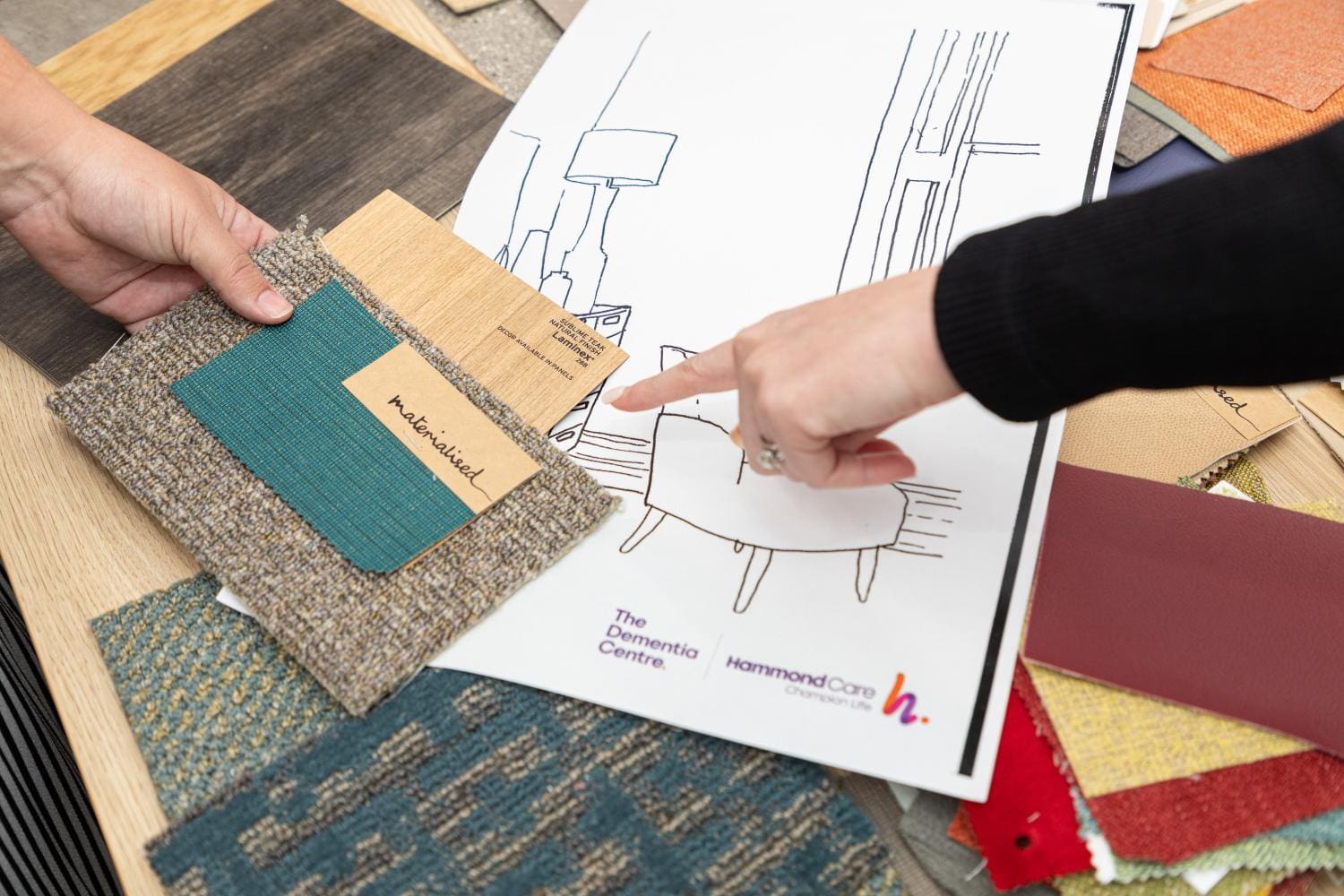
Designing for Dementia
The cognitive and sensory impairments people living with dementia may encounter can affect their experience of the world. This means that visual cues, surface texture and patterning are extremely important for signalling where they are, promoting independence and dignity.
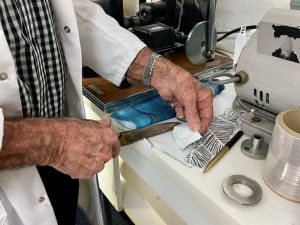
The Dementia Centre – an arm of aged care organisation HammondCare – has been working in the dementia-enabling design space for over 30 years, developing tried and tested approaches for every element and material they use, including textiles.
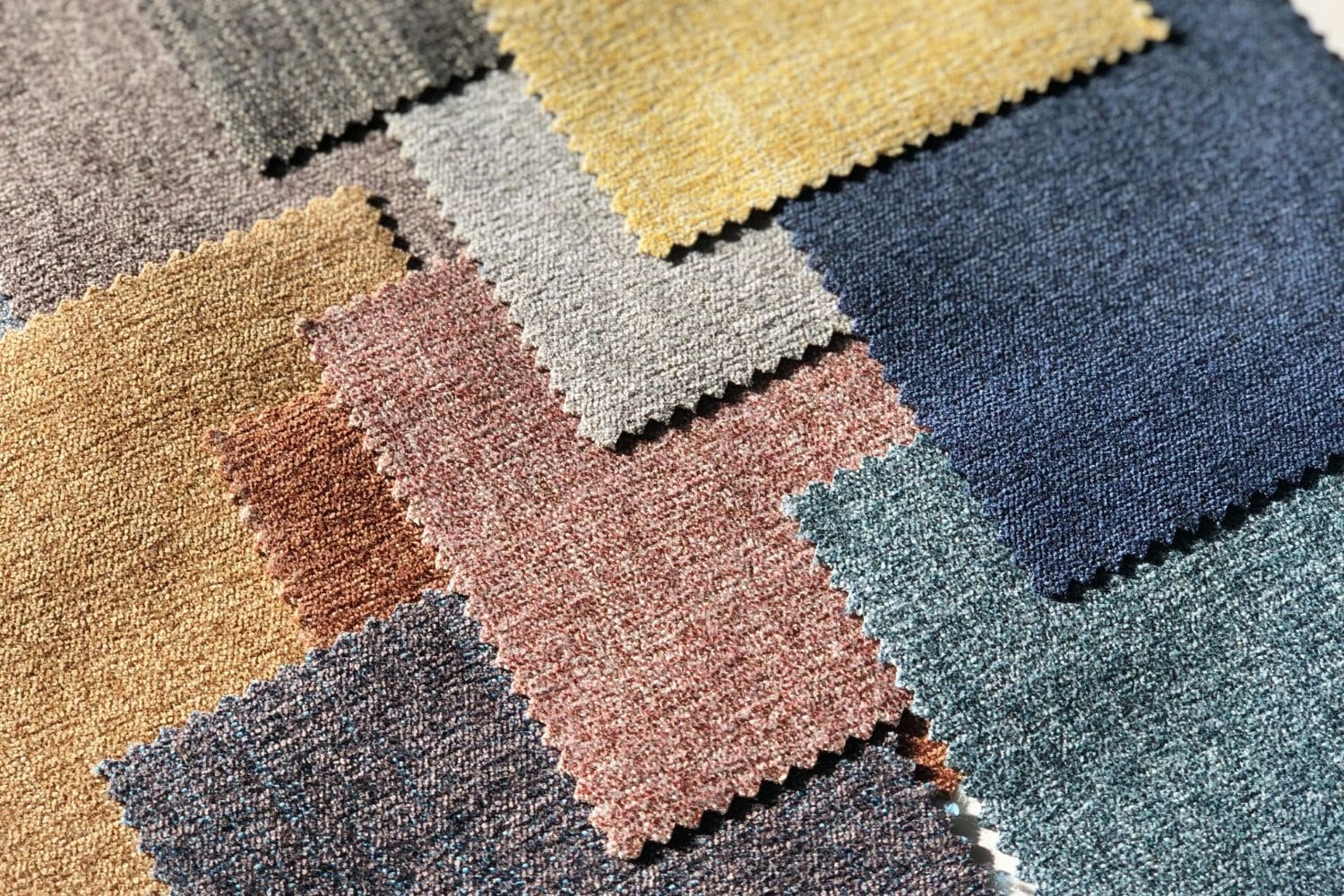
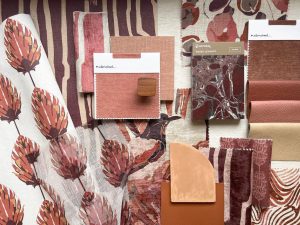
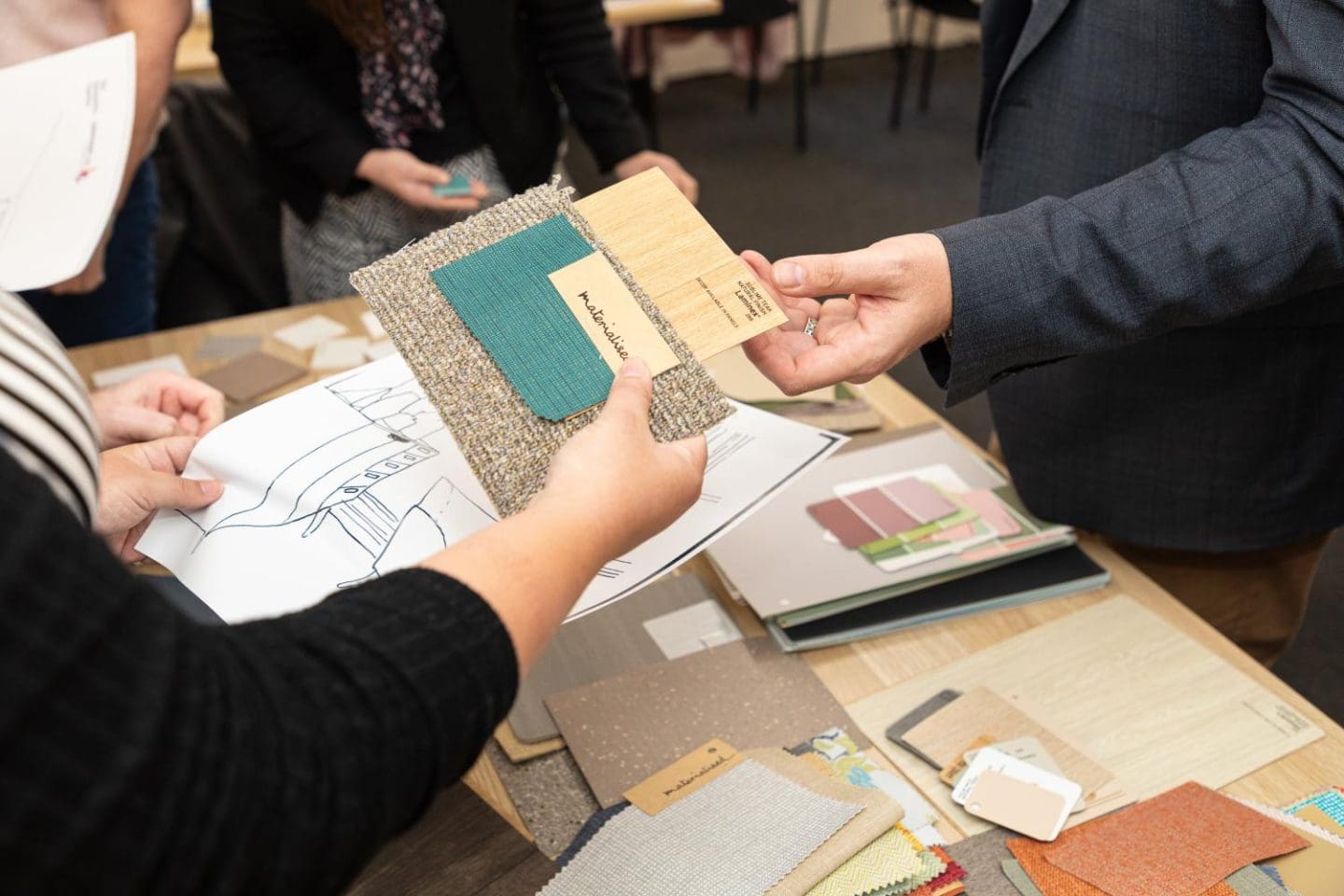
5 Key Aspects When Selecting Fabric For Dementia Patients
HammondCare share five aspects of fabric choice that can make a difference to quality of life for aged care residents.
1. Contrast
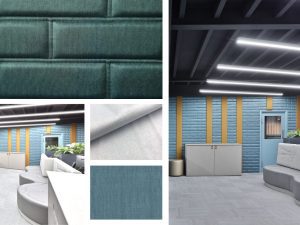
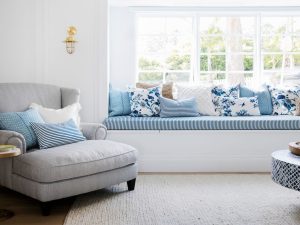
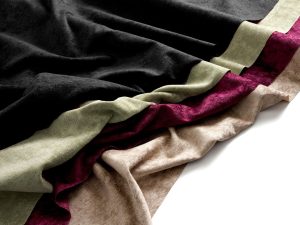
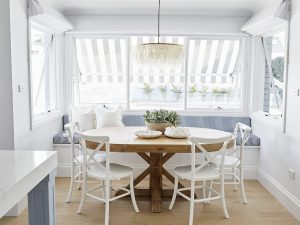
Designers in residential aged care strive for enough contrast to define the object, but not too much contrast that the object is disguised. A 30% tonal contrast is ideal. By using piping or other trim on an upholstered chair, for example, and selecting a high contrast tone to the floor and wall, the chair stands out and is more recognisable to residents.
2. Tactility
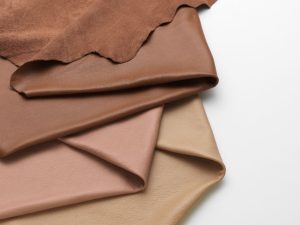
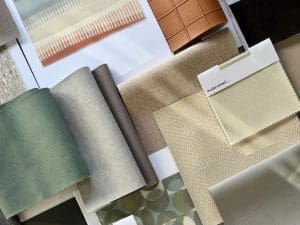
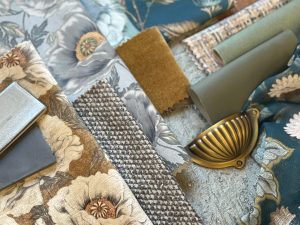
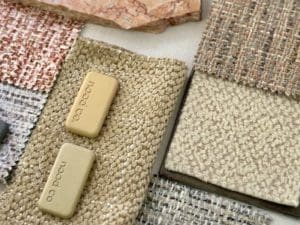
Touch is often an underrated factor in aged care design, with clinical vinyl often chosen for its cleanability. But softer fabrics with texture are far more domestic and comforting, and can trigger pleasurable memories and feelings.
3. Patterns
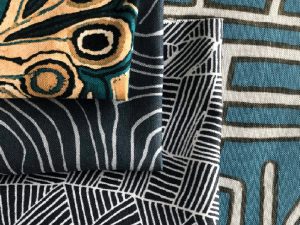
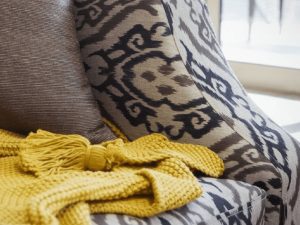
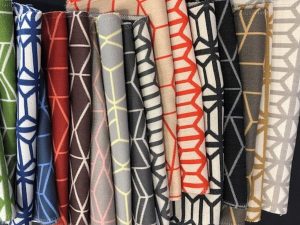
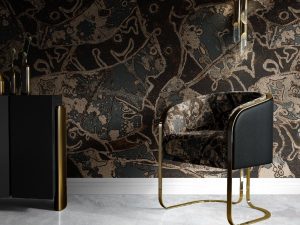
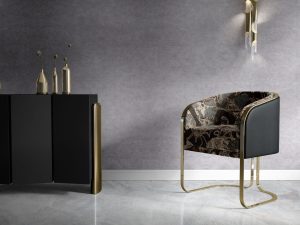
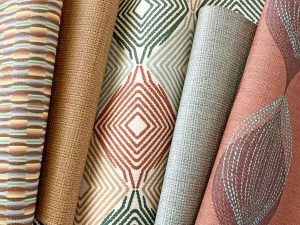
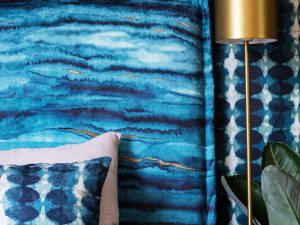
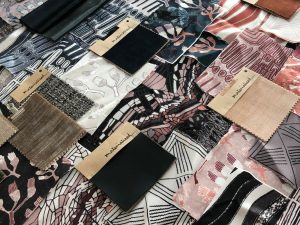
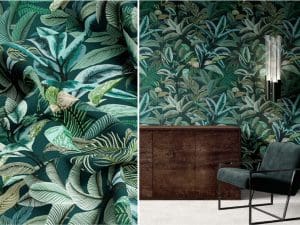
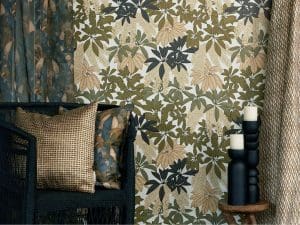
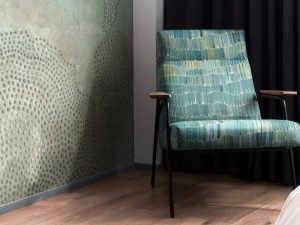
To some people living with cognitive and sensory impairment, a pattern may be perceived as an object. For example, dark wiggly lines may be seen as snakes, or it may not be clear that a strongly patterned lounge is actually a seat, skewing depth perception and leading to unnecessary confusion. As a result, fabrics with low contrast patterns are recommended to avoid disabling the people using the space.
4. Durability
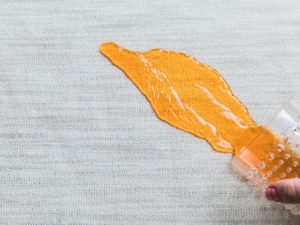
Fabric must be hard-wearing enough to put up with constant cleaning, and strong enough to last.
5. Colour
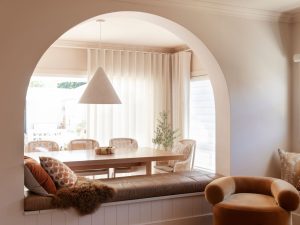
While contrast is arguably the most important consideration in designing for people living with dementia, coordinating colour is just good design. Furthermore, a pleasant, domestic space is crucial for a small household model of care.
With new National Aged Care Design Principles & Guidelines now in place, it’s more important than ever that designers who work in this space know how to use their skills to support cognitive, sensory and age-related impairments.
“We know that the environment has an important role in delivering our model of care,” explains Katie Formston, HammondCare’s Head of Design, Property and Capital Works. “Experience tells us that if you put a person living with dementia in a more enabling environment, it supports them to function at their best. Moreover, it will improve their quality of life and maintain their independence for as long as possible.”
Learn more about dementia village design with HammondCare’s Daw Park project.
About the Author: Catherine McGowan

Related posts