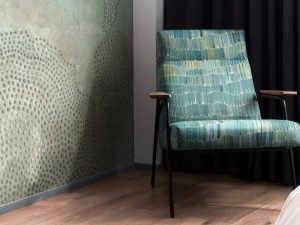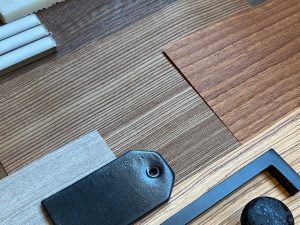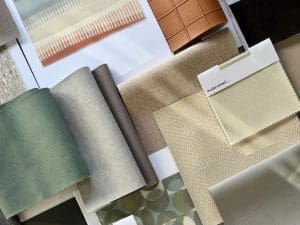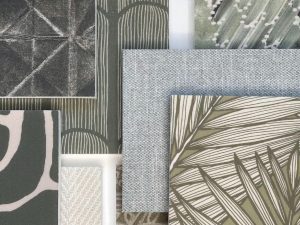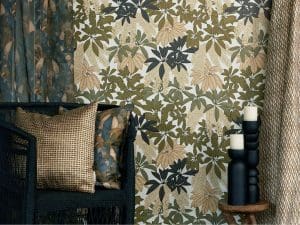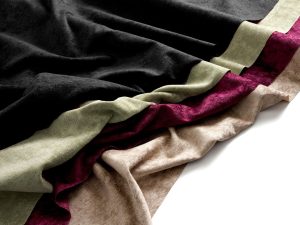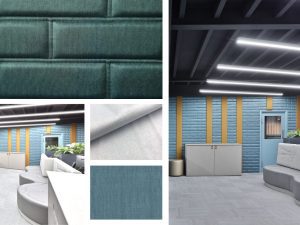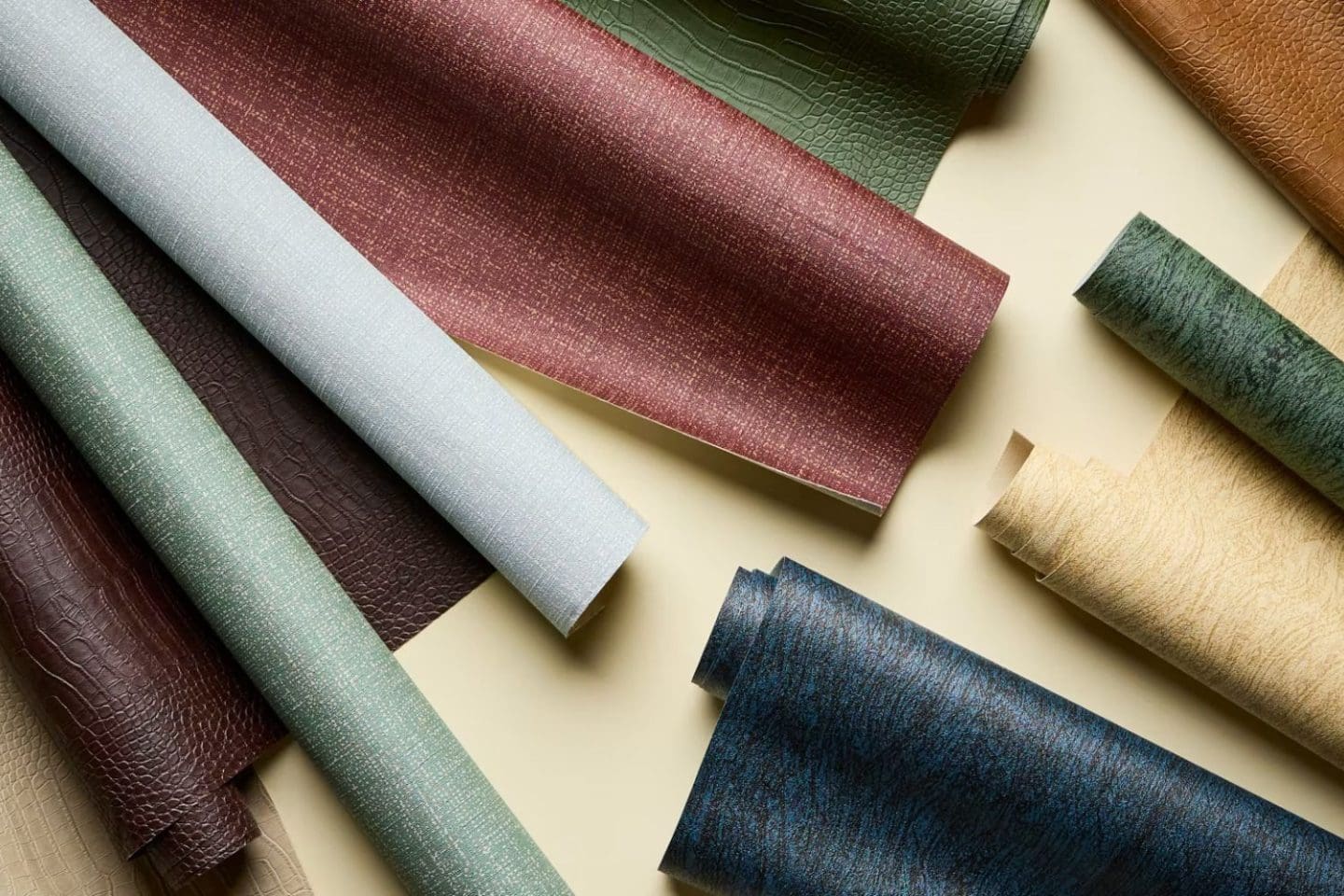
Some wall covering products ask you to choose between sustainability and performance. Circon™ doesn’t. It’s the first bio-sourced, carbon-neutral, recyclable Type II vinyl wall covering of its kind. And it has just landed in our range across four designs: Croc Maison, Velato, Oakstone and Palomar.
For a company built on the idea that design and science are two sides of the same bridge, this is exactly the kind of innovation we exist to bring to designers, architects and specifiers.
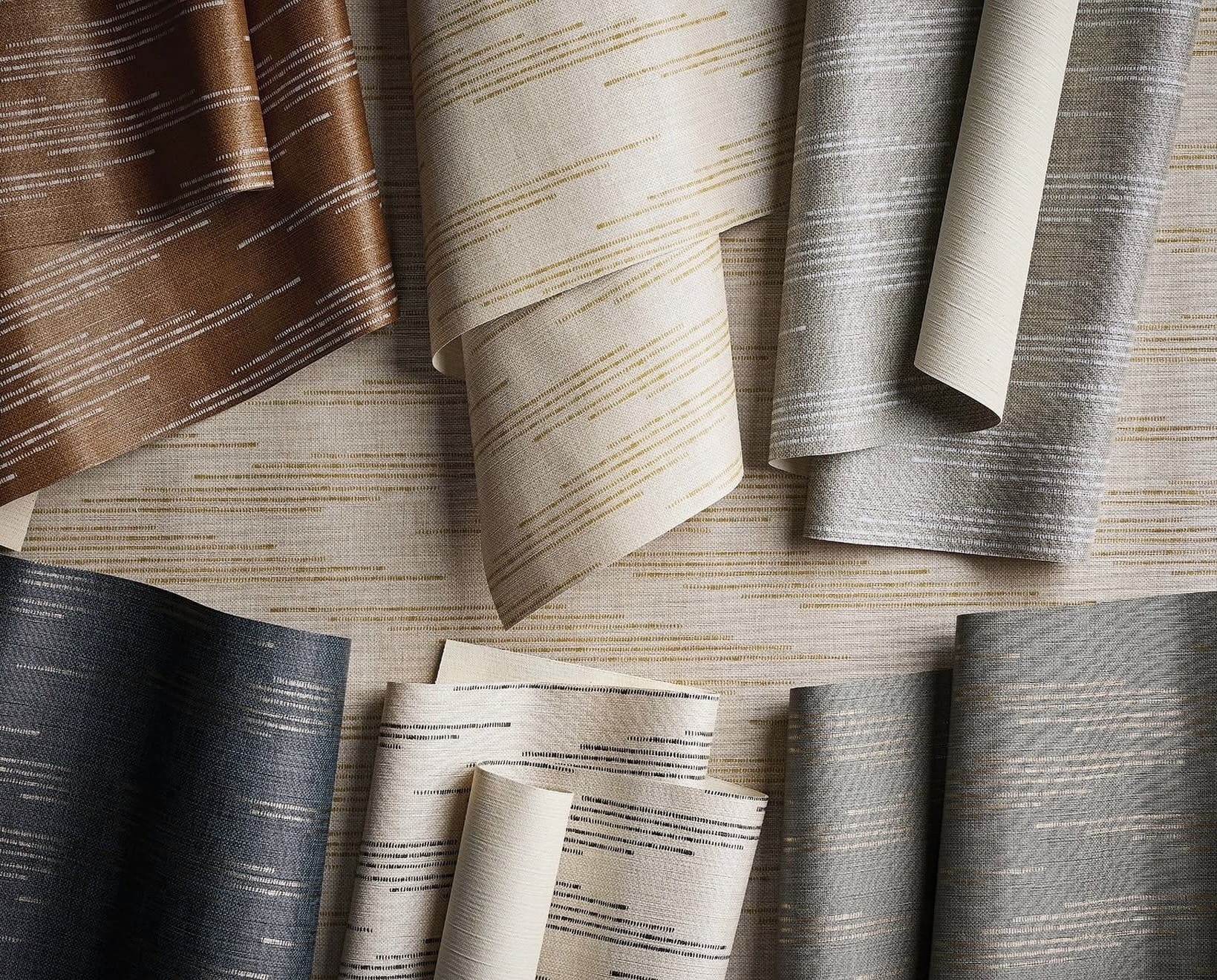
What is Circon™ bio-sourced wall covering?
Circon is a Type II vinyl wall covering made with more than 70% bio-sourced material, using FSC-certified wood-based feedstock in place of the fossil fuels that go into conventional vinyl resin, an algae-based film, and a fully renewable backing.

It’s certified carbon neutral, fully recyclable and engineered to exceed standard Type II performance benchmarks for strength, stain resistance and cleanability.
In short: a wall covering that performs like traditional vinyl, without environmental cost.
It’s the product of curiosity applied to a genuine industry problem. Type II vinyl has long been the workhorse of commercial wall covering, prized for durability but often reliant on fossil-fuel-derived PVC. Circon rethinks the formula from the resin up, proving that fit-for-purpose and future-fit aren’t mutually exclusive.
The science behind the sustainability
Curiosity is in our DNA. Gary Price founded Materialised in 1980 on the belief that staying curious about materials leads to better outcomes, for design and for the planet. Circon reflects that same spirit: rather than treating sustainability as a finishing touch, it’s engineered into the chemistry itself.
Replacing petroleum-based inputs with renewable, carbon-absorbing alternatives lowers embodied carbon at the manufacturing stage. Certified carbon neutrality, by SCS Global, accounts for what’s left. And being recyclable the product’s story doesn’t end in landfill.
It’s a rare example of a wall covering with an EPD (Environmental Product Declaration) to back up every claim, alongside GREENGUARD certification and phthalate-free credentials for healthier indoor air.
Four designs, one breakthrough substrate
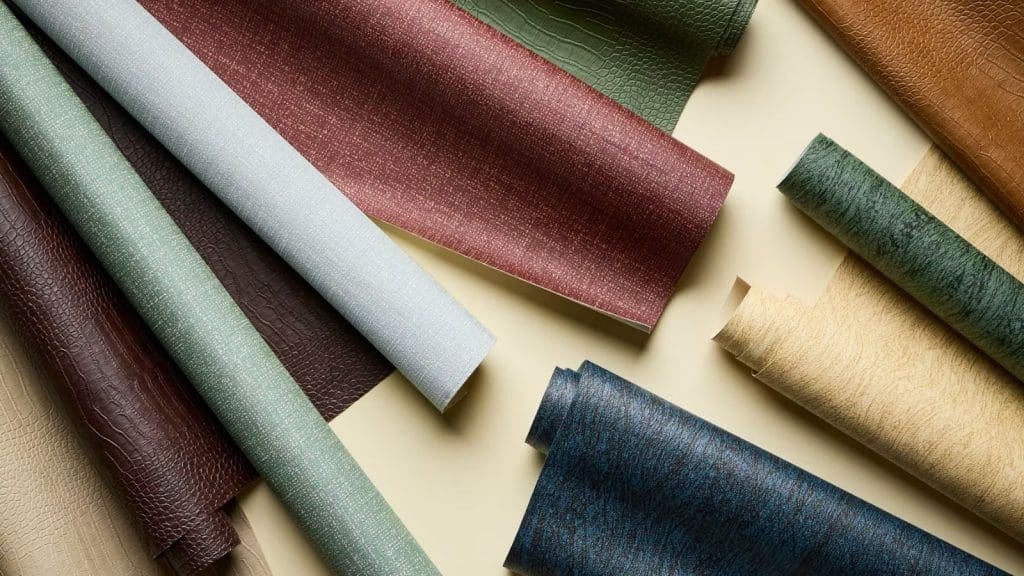
Circon’s sustainability story would mean little without the design range to match, so we’ve curated four collections that put it to work across very different aesthetics.
Croc Maison
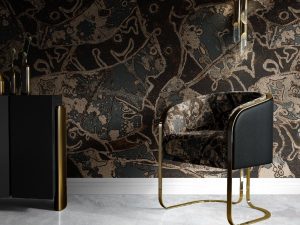
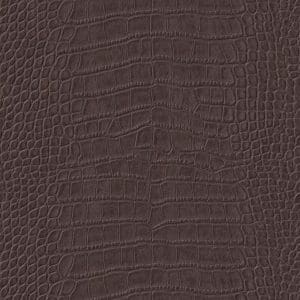
Croc Maison brings exotic reptile-effect texture to the range, with colourways like Serengeti, Viper and Tigerlily delivering the tactile drama of leather and hide, without the material or the guilt.
Velato
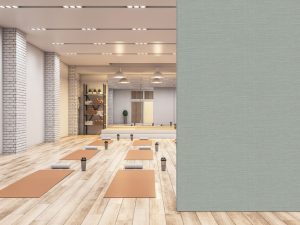
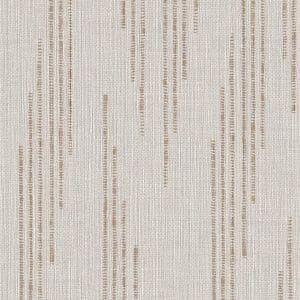
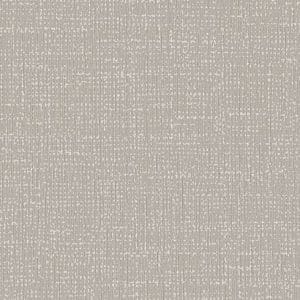
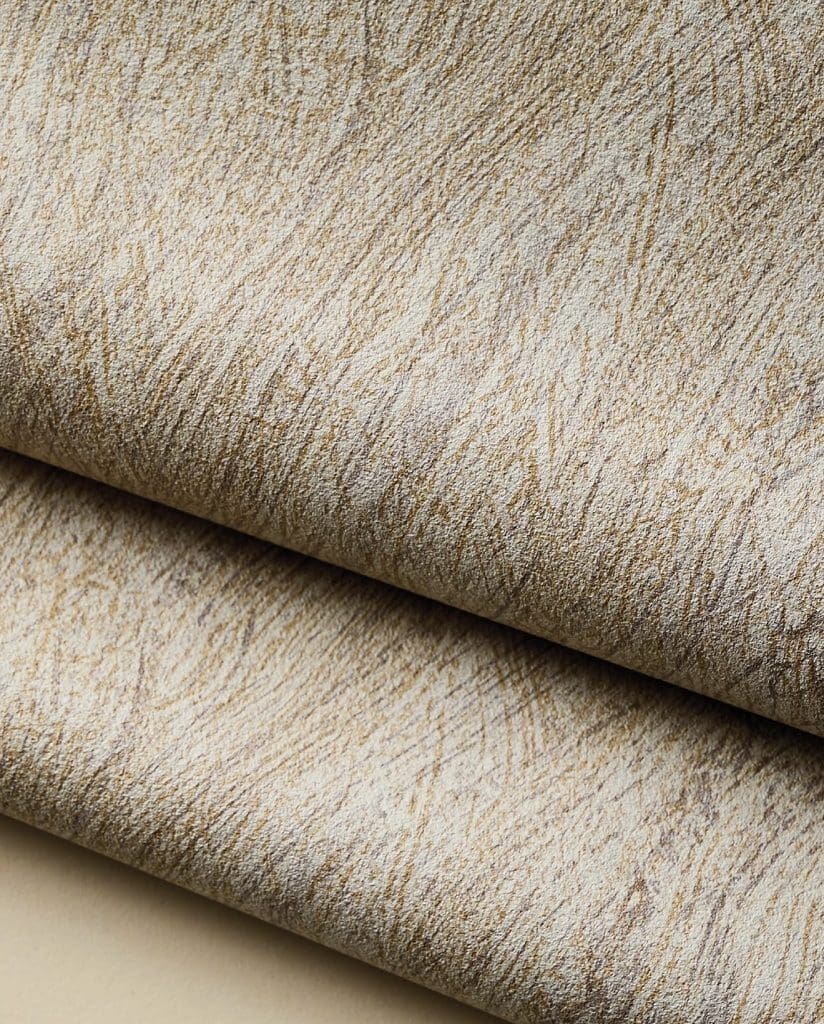
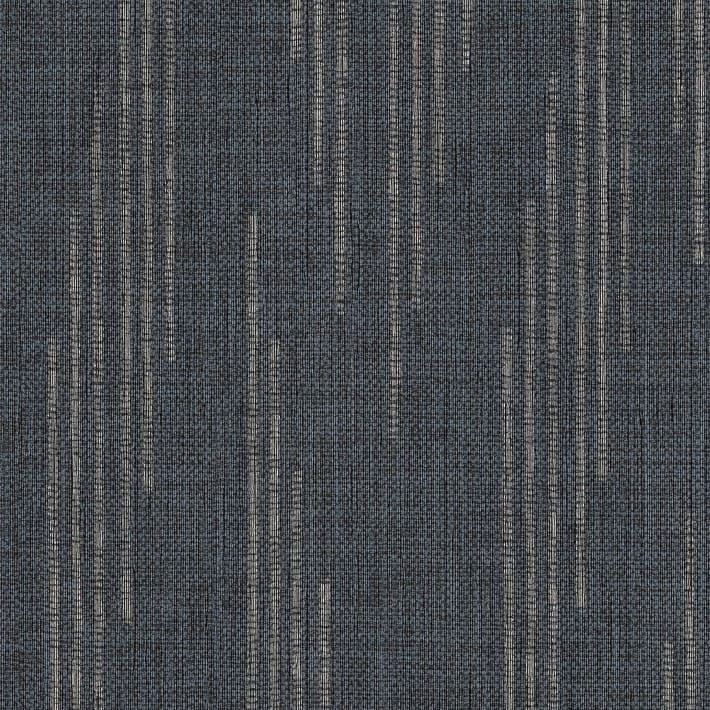
Velato (Italian for “veiled”) is soft, atmospheric and softly toned, think Urban Fog, Twilight Veil and Morning Haze, built for spaces that need a quiet, layered backdrop rather than a statement.
Oakstone
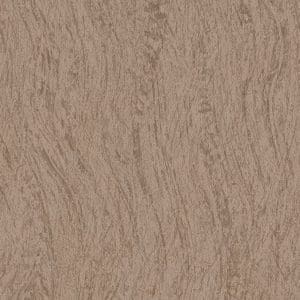
Oakstone draws on the language of natural stone and timber, with colourways such as Travertine, Walnut and Dolomite bringing warmth and materiality to commercial interiors that want to feel grounded.
Palomar
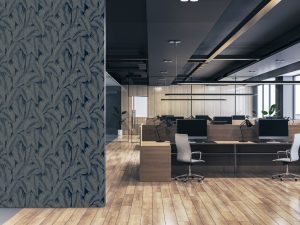
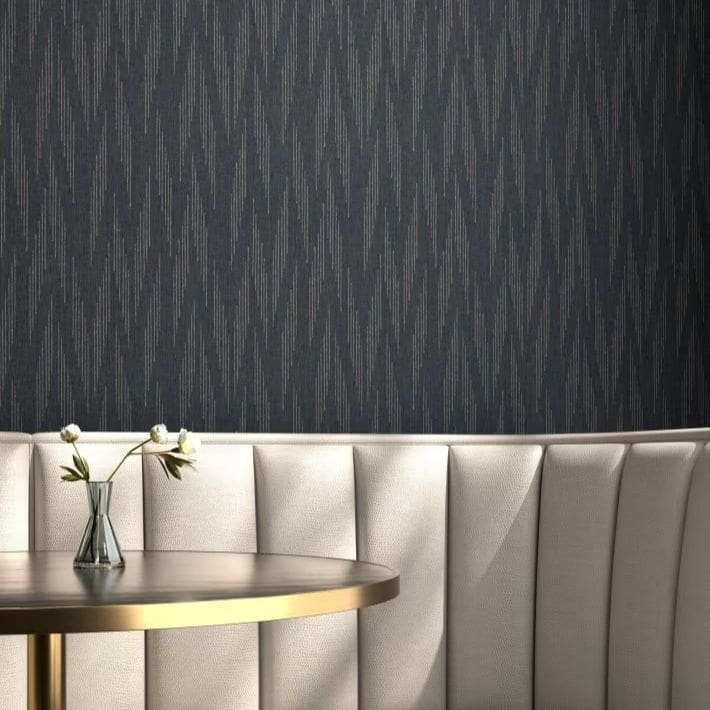
Palomar is the broadest of the four, spanning organic, botanical and textural finishes from Willowleaf to Cracked Pepper, suited to projects that want depth and variation across a large specification.


Across all four, the same substrate underpins every colourway: 70% bio-sourced, carbon neutral certified, recyclable, GREENGUARD certified and phthalate-free.
Why it matters for specifiers
Commercial interiors carry real environmental weight, and wall covering is specified at scale across healthcare, hospitality, education and workplace projects alike. Circon gives designers, architects and specifiers a way to meet Green Star and sustainability targets without compromising on the durability a high-traffic wall covering needs to deliver.
It’s bleach cleanable, built to exceed Type II testing standards, and backed by full material transparency, which matters just as much in a hospital corridor as it does in a hotel lobby or a university common room.
Circon is a meaningful shift in what’s possible, and one of the more significant material innovations we’ve brought into our range in recent memory.
Frequently Asked Questions
More than 70% of Circon’s material inputs come from renewable, biogenic sources, including FSC-certified wood-based feedstock and an algae-based film, replacing much of the fossil-fuel content found in conventional vinyl resin.
Yes. Circon meets and exceeds standard Type II performance benchmarks for strength, stain resistance and cleanability, so it performs like traditional commercial vinyl while carrying a significantly lower environmental footprint.
Circon achieves carbon neutrality through a combination of reduced-carbon inputs and verified offsets, not offsets alone.
The construction is over 70% bio-sourced/attributed: FSC-certified wood-based feedstock replaces the fossil fuels normally used in vinyl resin, an algae-based material is used in the film (which actively sequesters carbon as it grows), and the backing is fully renewable. That cuts the embodied carbon significantly before any offsetting happens.
What remains (the cradle-to-gate emissions that can’t be eliminated) is then independently verified (in this case by SCS Global) and offset, which is what earns it the “certified carbon neutral” claim.
Yes. Circon is fully recyclable and supported by a dedicated reclamation programme, allowing material to be diverted from landfill at the end of its life.
Circon is available across four design collections: Croc Maison, Velato, Oakstone and Palomar, spanning animal-print, atmospheric, stone and timber, and organic textural aesthetics.
Yes. Circon is GREENGUARD certified and phthalate-free, supporting healthier indoor air quality alongside its durability, making it well suited to healthcare, education, hospitality and workplace interiors.


See it, feel it, specify it
Circon is available now through Materialised in Croc Maison, Velato, Oakstone and Palomar. Get in touch with Materialised for samples, or explore the range online.
Supplier source information: Circon Carbon Neutral Wallcovering, Momentum.
About the Author: Catherine McGowan

Related posts