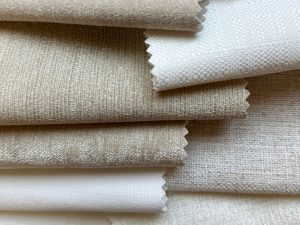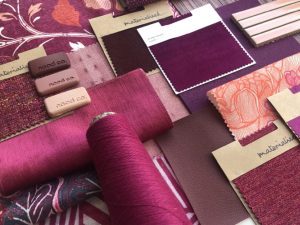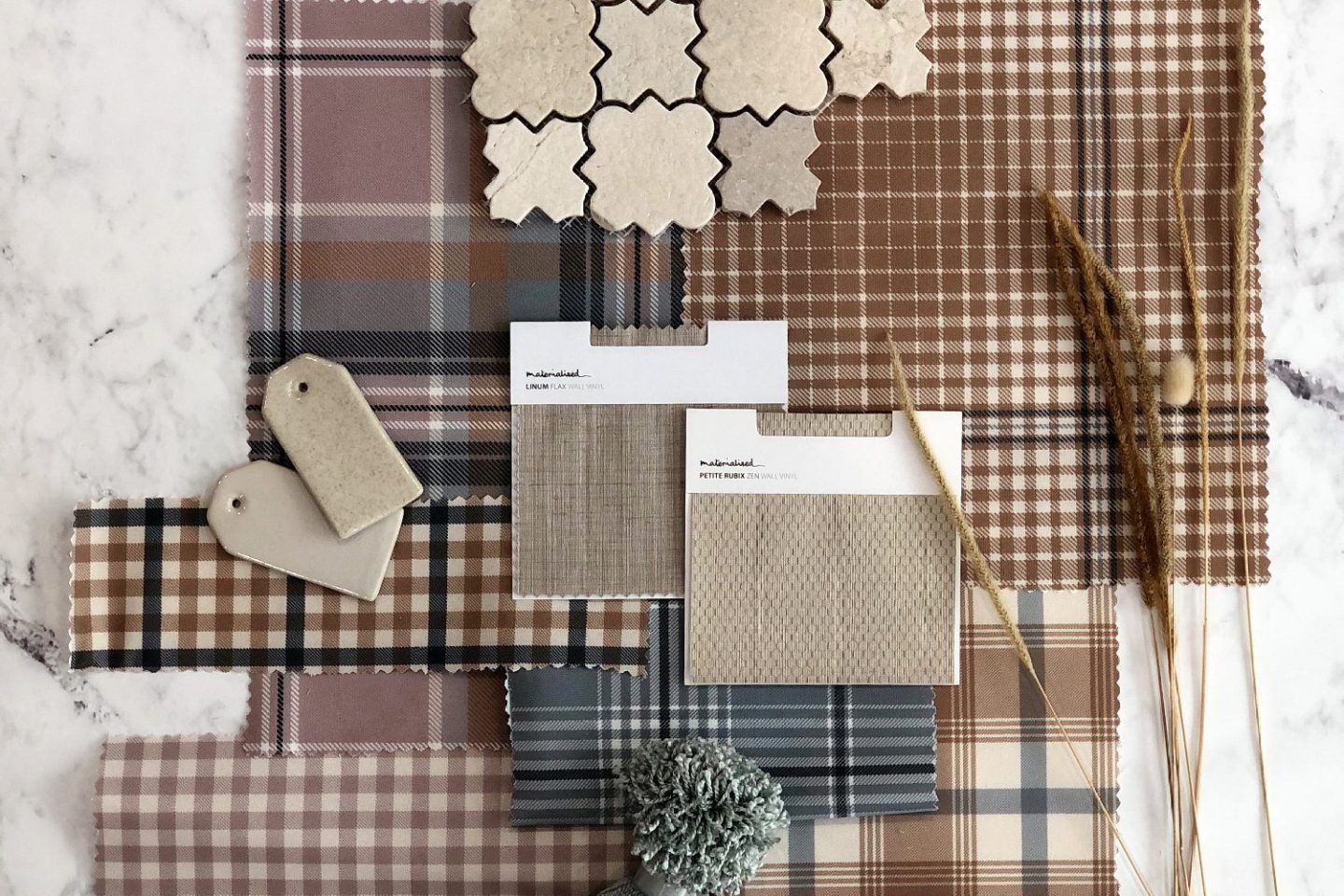
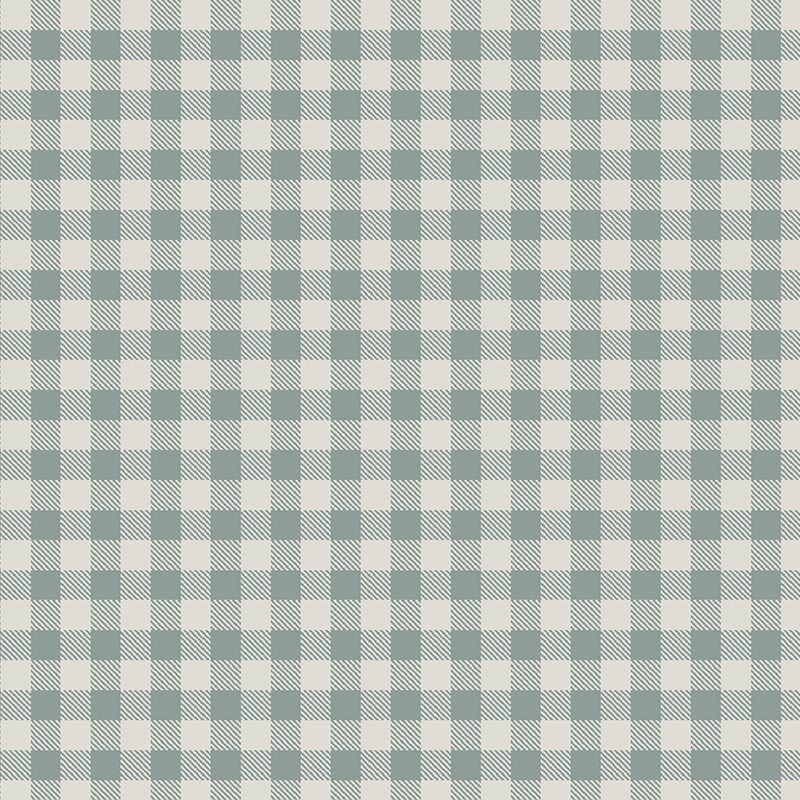
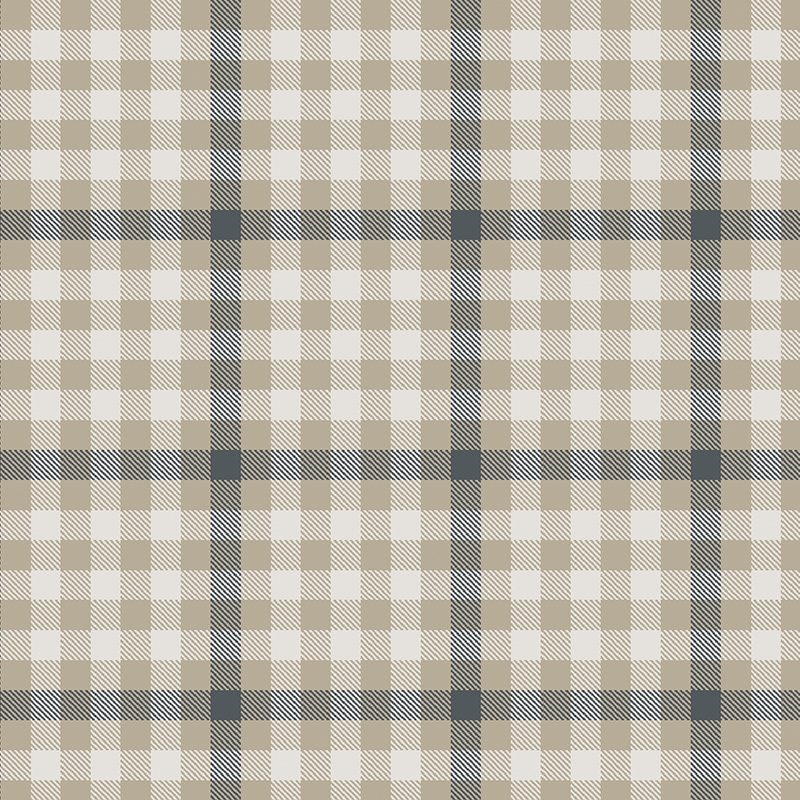
Fresh from the Materialised design studio is our new print collection, Suit Yourself, curated and designed by our Lead Textile Designer, Brigitte Marlot.
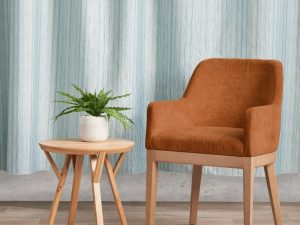
Consisting of six timeless and classic prints inspired by traditional plaids and checks, Suit Yourself mixes feelings of nostalgia, warmth and modernism. The range can be used effortlessly on textiles and wall covering, whether an armchair accent or all four walls to make a statement!
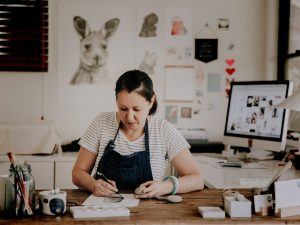
We chatted with Brigitte to learn the design processes behind this collection.
Where did the idea for this collection come from?
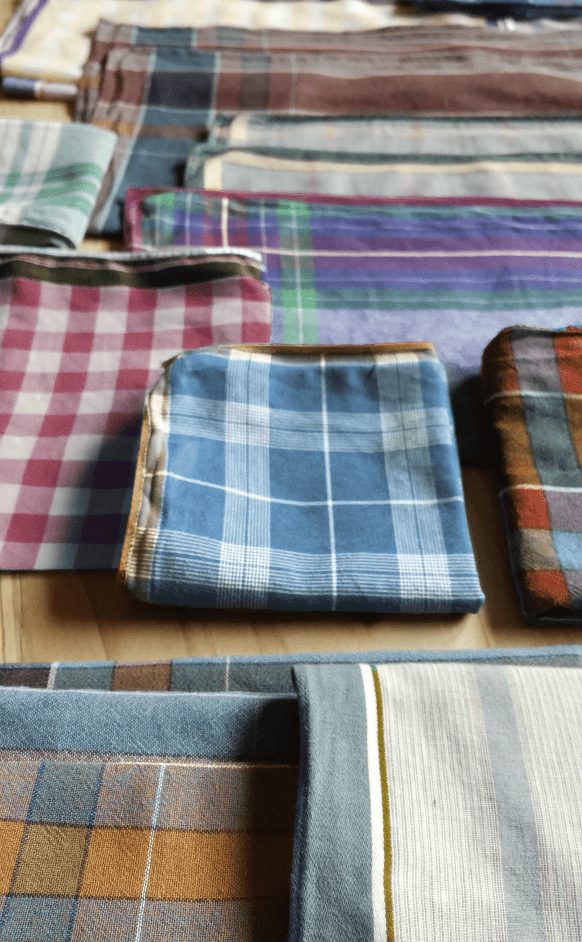
I spent time researching how plaids and checks were used in interior design, types of patterns, sizes, colours, etc. Tartans were a great inspiration, and I also looked at traditional Welsh blankets, historical shirting fabrics, and my favourite vintage French Linens.
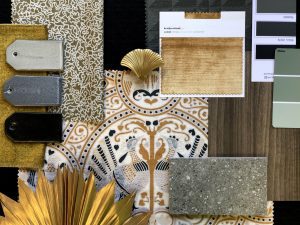
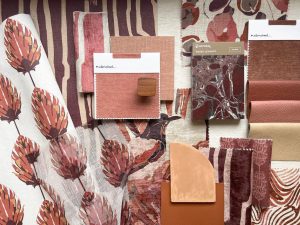
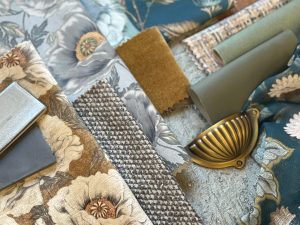
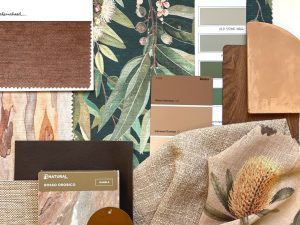
I pinned everything I loved on Pinterest, then I created mood boards like the below.
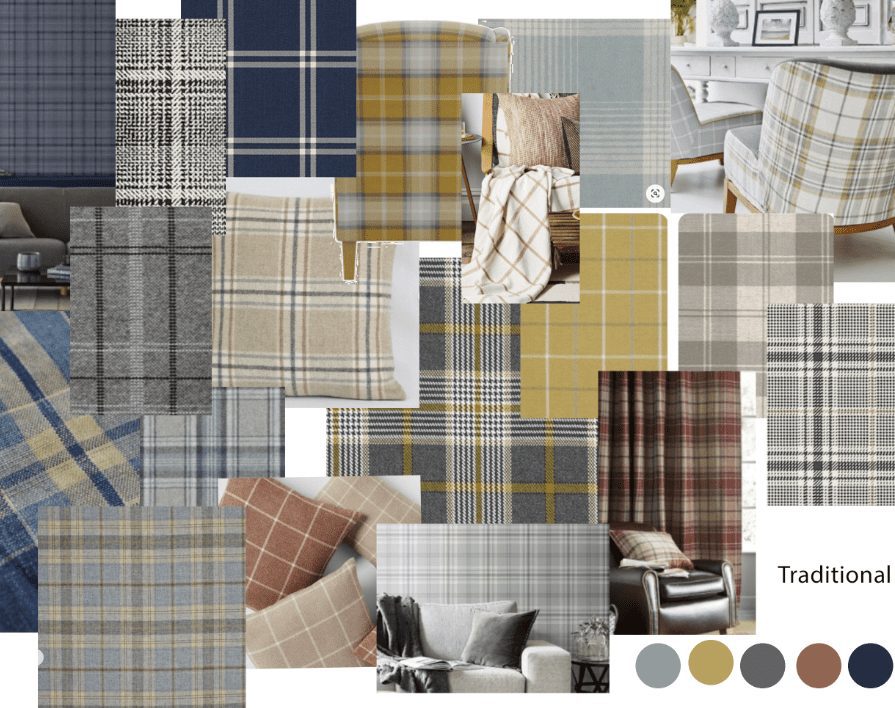
Check out Brigitte’s Pinterest board here
What did you discover about the history of these designs?
It appears that checks and plaids are as old as the weaving technology itself, with examples dating as far back as 3000 years! So not just a recent Scottish thing…
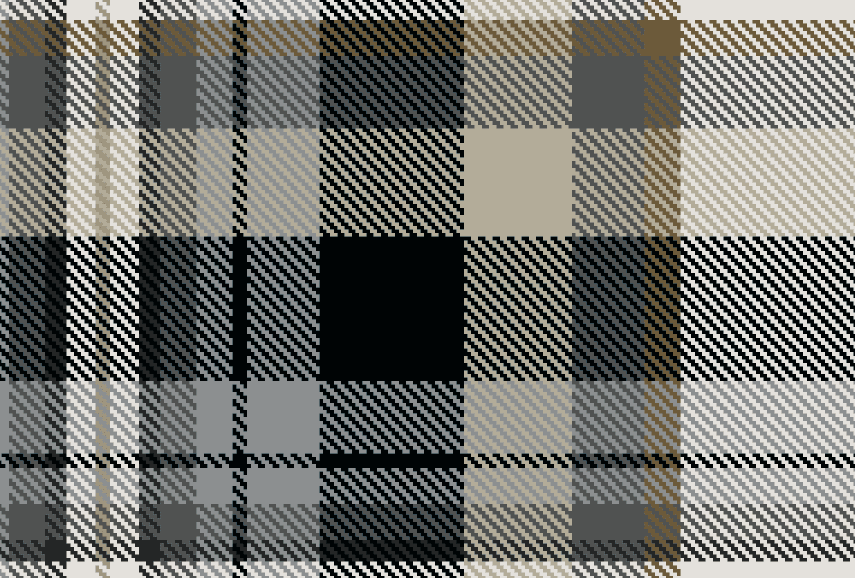
How did you design these traditionally woven designs into digital prints?
I created the designs in Photoshop, a simple pattern of diagonal lines where two colours mix to mimic a twill effect, thus giving it a more realistic look and the illusion of more colours.
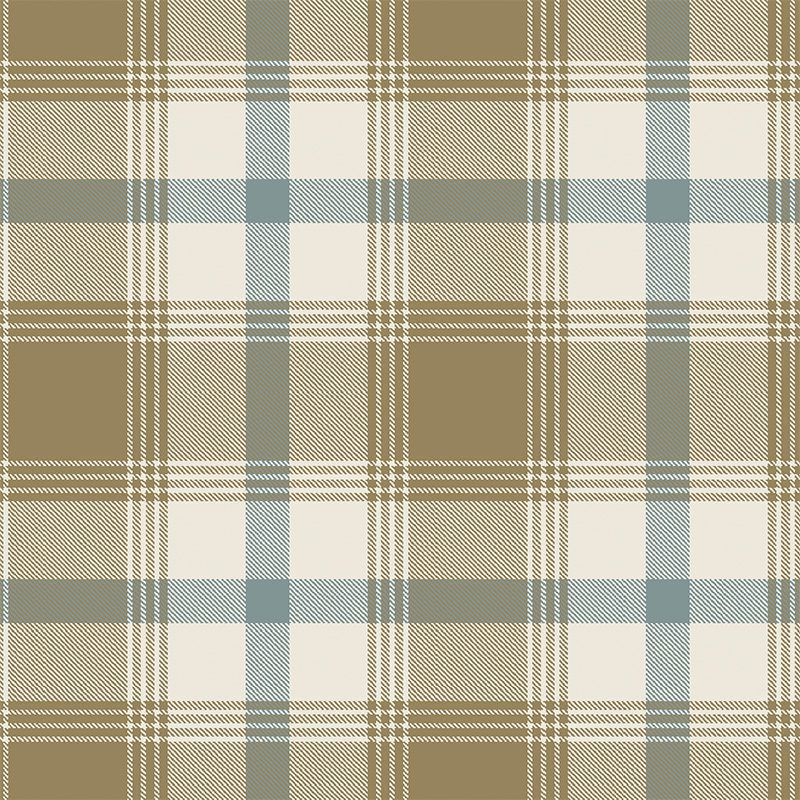
Any difficulties in designing the plaids and checks? Sometimes the simplest designs can be the hardest to nail!
The design process was pretty straightforward. I first created Highland, the more complex pattern of the range, and added the other ones. The difficulty was to limit myself to only a handful of designs as the possibilities were endless!
We love the names used in this range, can you tell us a little bit about them?
I opted for a Scottish flavour throughout (learning along the way that Colsie means cosy in Scottish!)
I also threw in a little French Twist: Cholet. It is a town in France with a history of textile weaving, renowned for producing traditional check handkerchiefs of high quality.
How did you develop the colourways?
There were three palettes I knew I wanted from the start: Neutrals, with an accent of black for a timeless look; Blues, which work well in coastal settings; Greens for their calming vibes. The fourth palette was just pure indulgence, a soft palette of the dusty colours I’m fond of!
How do you see the range being used for commercial spaces, any tips for our designers?
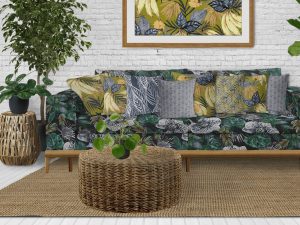
Use them as floor-to-ceiling wall vinyl or as an accent on a cushion. Accentuate their rustic charm by printing them on our Bruge base cloth, or go all glamour by using Palermo, our gorgeous velvet. They are incredibly versatile prints.
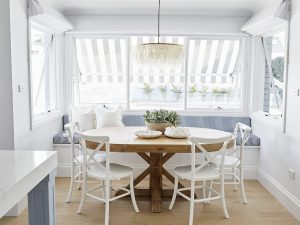
Do not limit plaids and checks to country and traditional spaces! While they are a perfect match for them, they also have their place in pretty much any setting as they complement all interior styles, from Hamptons to modern, Scandinavian or Midcentury.
Check out the full range here, or have a look at our digital brochure. We can’t wait to see where you use these prints!
About the Author: Chloe Rose

Related posts