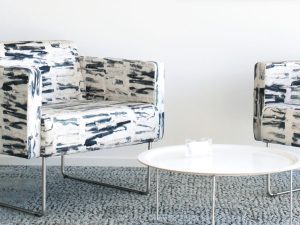
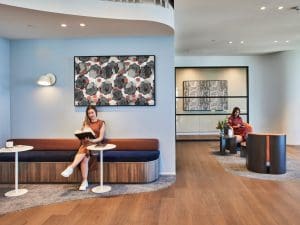
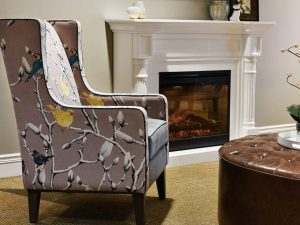
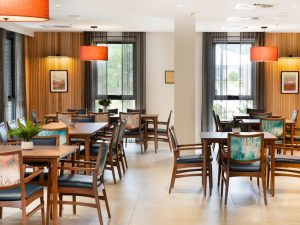
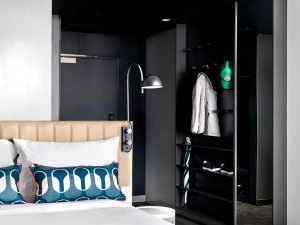
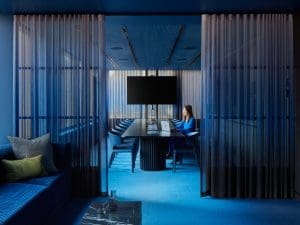
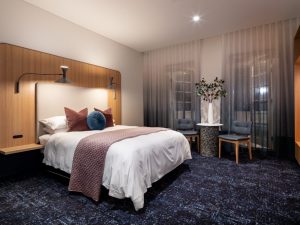
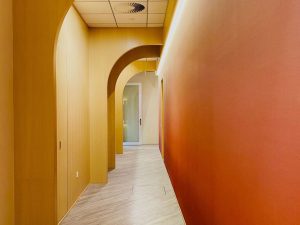
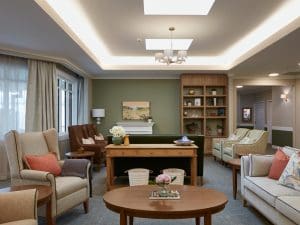
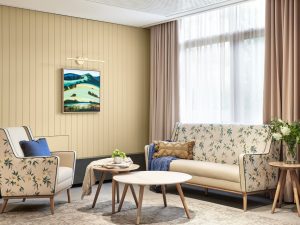
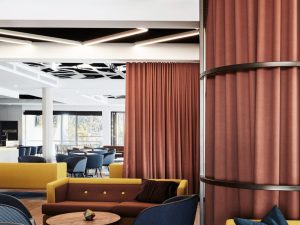
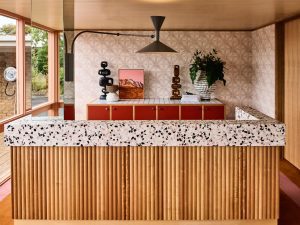
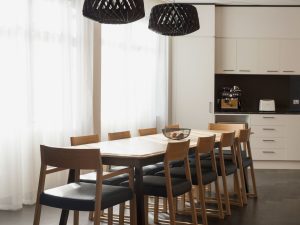
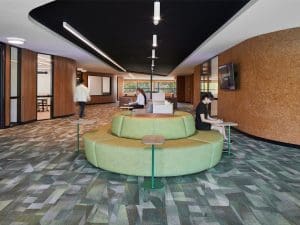
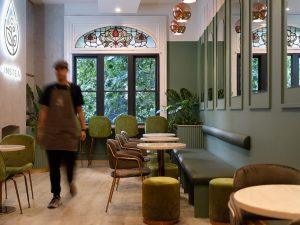
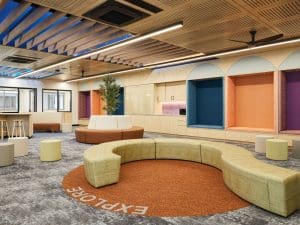
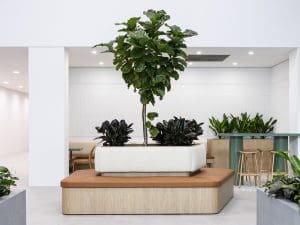
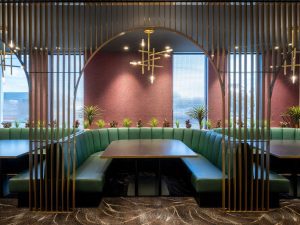
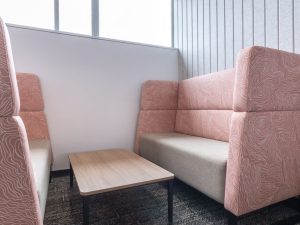
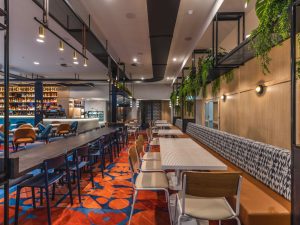
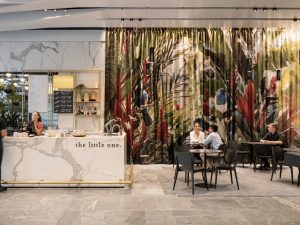
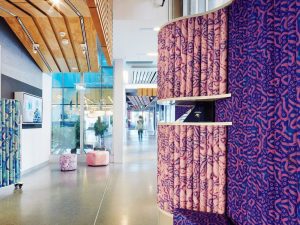
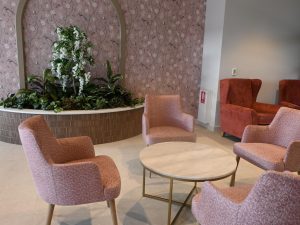
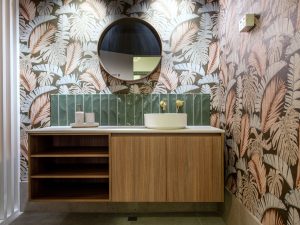
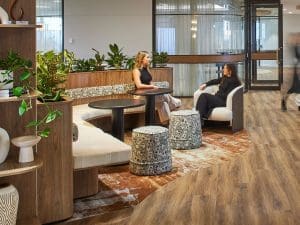
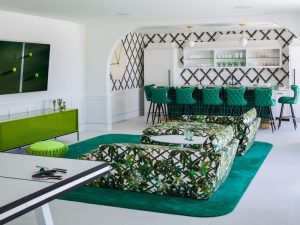
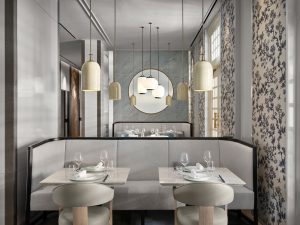
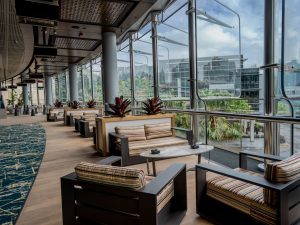
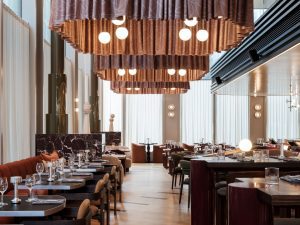
When business owner Jack Byrne and his team decided to relocate from their original South Yarra headquarters to a new warehouse-style space in Windsor, they turned to Jenni Robin Interior Design (JRID) to create a workplace that would not only welcome staff back post-pandemic but align with a shared vision for ethical, sustainable, and biophilic design.
The goal? To create a space where people want to be, where creativity flourishes and ideas are exchanged organically.


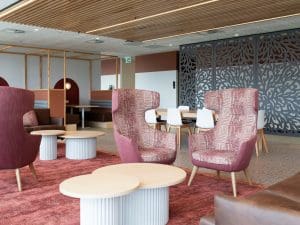
“Collaboration and cross-pollination of ideas occur when staff break from desks and work in agile working spaces,” said Jack Byrne. “This is where the magic happens.”
From the outset, JRID’s approach centred on sustainability and ethics without compromising on functionality or style. Founder Jenni Robin described the collaboration with the Hatched and Zitcha team as a creatively rewarding experience:
“Working with Jack and the wider team was thoroughly enjoyable. They were open to new ideas and wanted to ensure staff were comfortable within the new space. It was imperative to design an environment that captured the imagination of those who visit, balancing sustainable, biophilic and ethical goals reflective of our combined values.” – Jenni Robin, Founder of Jenni Robin Interior Design


Designing for People and Planet
A key element of this project was flexibility. The office was thoughtfully planned to accommodate future staff growth and host events. But it was the ethical design process behind the scenes that truly shaped the project.
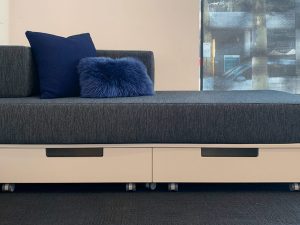
- Furniture with a past and future: JRID began with a furniture audit, making a conscious decision to reupholster and reuse existing pieces wherever possible, an important commitment to reducing waste and resource use.
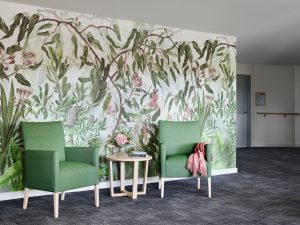
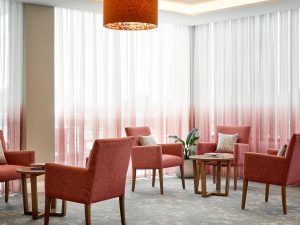
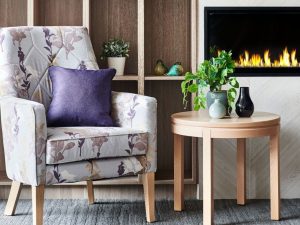
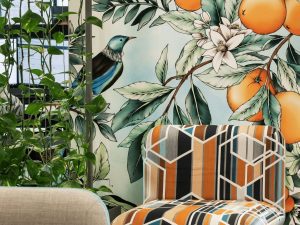
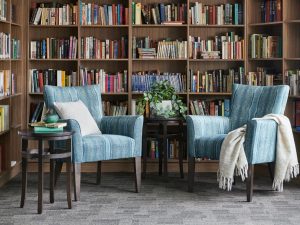
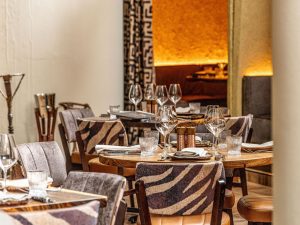
- Local and responsible sourcing: Materials and finishes were selected with care, favouring locally manufactured options and Green Star-accredited products. This included upholstery made from recycled HDPE plastics, PET bottles, PVC-free vinyls, and low-VOC, ethically certified fabrics and wall covering.
- Celebrating culture and connection: The inclusion of Indigenous artworks and design elements throughout the office connects people with place, while also acknowledging the cultural heritage of the land on which the building stands.
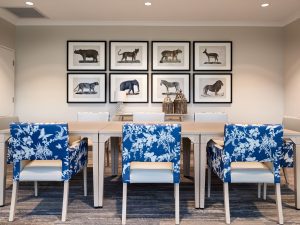
- Greener choices at every level: Even the boardroom chairs were selected with ethics in mind. Made by Zenith, a tree is planted for every chair purchased, turning functional decisions into climate-positive actions.


Materialised Products
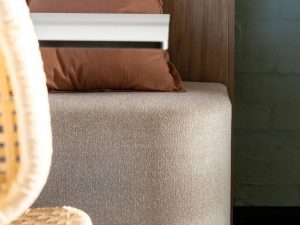
- Silica Blend Nutmeg and Silica Blend Madder.
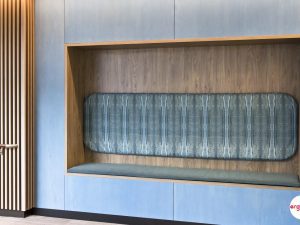
- Jimmy Pike Topography Dust Storm printed on Crypton George waterproof base cloth.
- Crypton La Scala Oro and Rosewood.
- Soundcheck Stone – acoustic sheer.
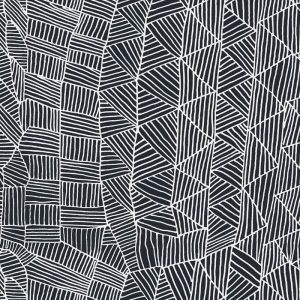
- Jimmy Pike Sandhills Mono printed on Eden wall covering.




A Case Study in Ethical Design Leadership
This Windsor workplace exemplifies how ethical design can be deeply integrated into a project’s DNA, right from space planning and furniture selection, to sourcing materials that honour the environment and local community.
For interior designers, architects, and specifiers seeking meaningful impact, this project is a reminder that workplace design can, and should, support both people and planet.

The Team & Credits
Client: Hatched Media & Zitcha
Design: Jenni Robin Interior Design
Original Builder: Koble Projects
Boardroom Builder: Turn Group
Boardroom & Meeting Room Chairs: Zenith
Drafting: @296 Design
Acoustic Engineer: Volta Acoustics
Materialised Team: Melbourne
About the Author: Catherine McGowan